Quest for 108 - Part 5 (Kumbakonam Divya Desams) [41/108]
Visited: December 2020
🟧🟧🟧🟧🟧🟧🟧🟧🟧 +9 Chola Nadu · View full progress
The Story
After a long gap I am back updating my trips to Divya Desams, thanks to Claude Code for helping revamp my website. We go back to December 2020 just before the new year as we set out as a family to visit our native Kumbakōnam. While I’ve been to Kumbakōnam many times, this time I wanted to visit all Divya Desams in the area and ended up visiting 9 in 2 days. Kumbakōnam is very accessible by both train and bus from Chennai but we took a drive this time and it takes around 5-6 hours to reach. The temples in this area were mostly built by the Chōlās in the 8th century with later contributions from the Vijayanagara kings as well as the Thanjāvūr/Madurai Nāyaks.
The Temples
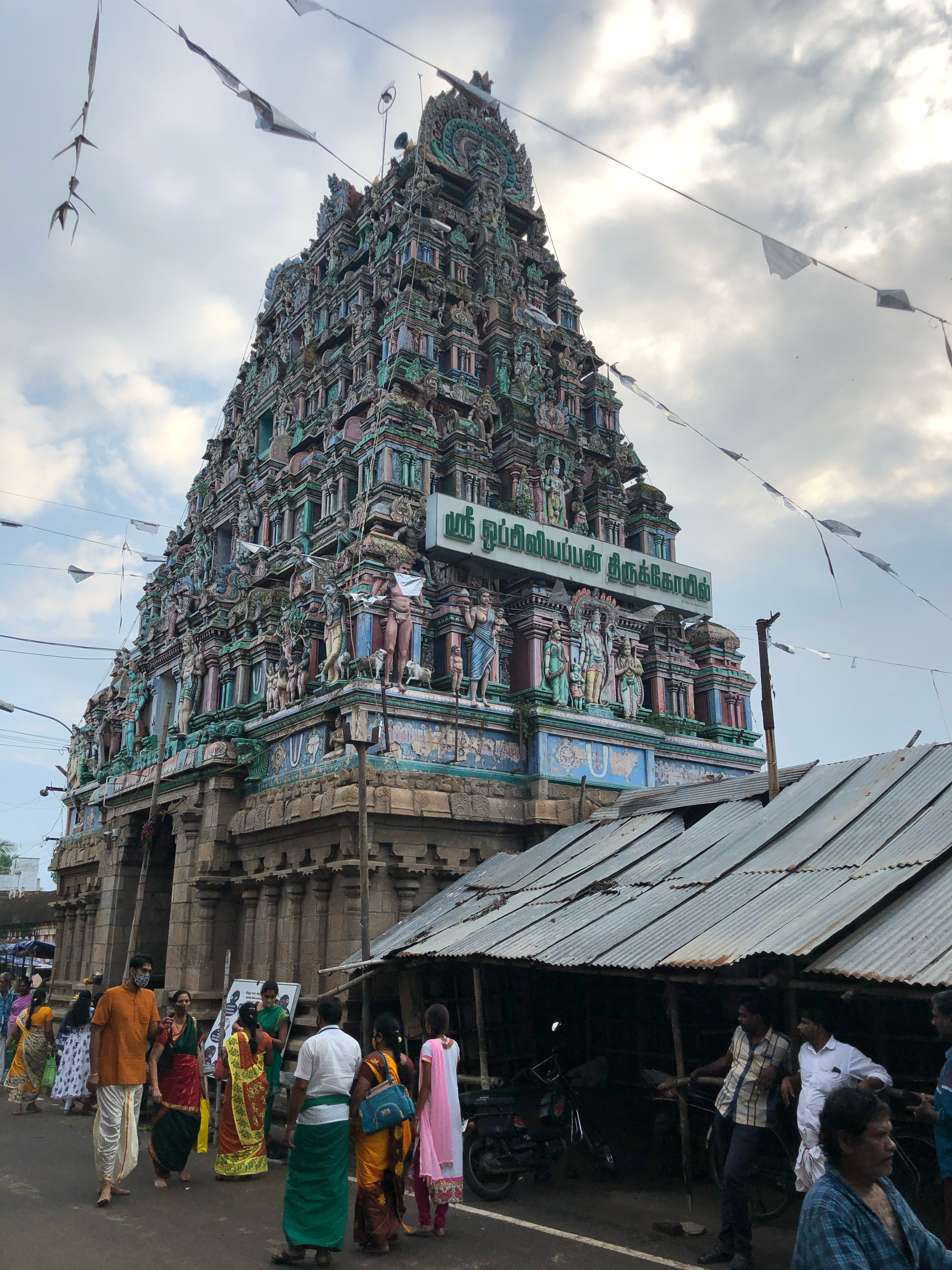
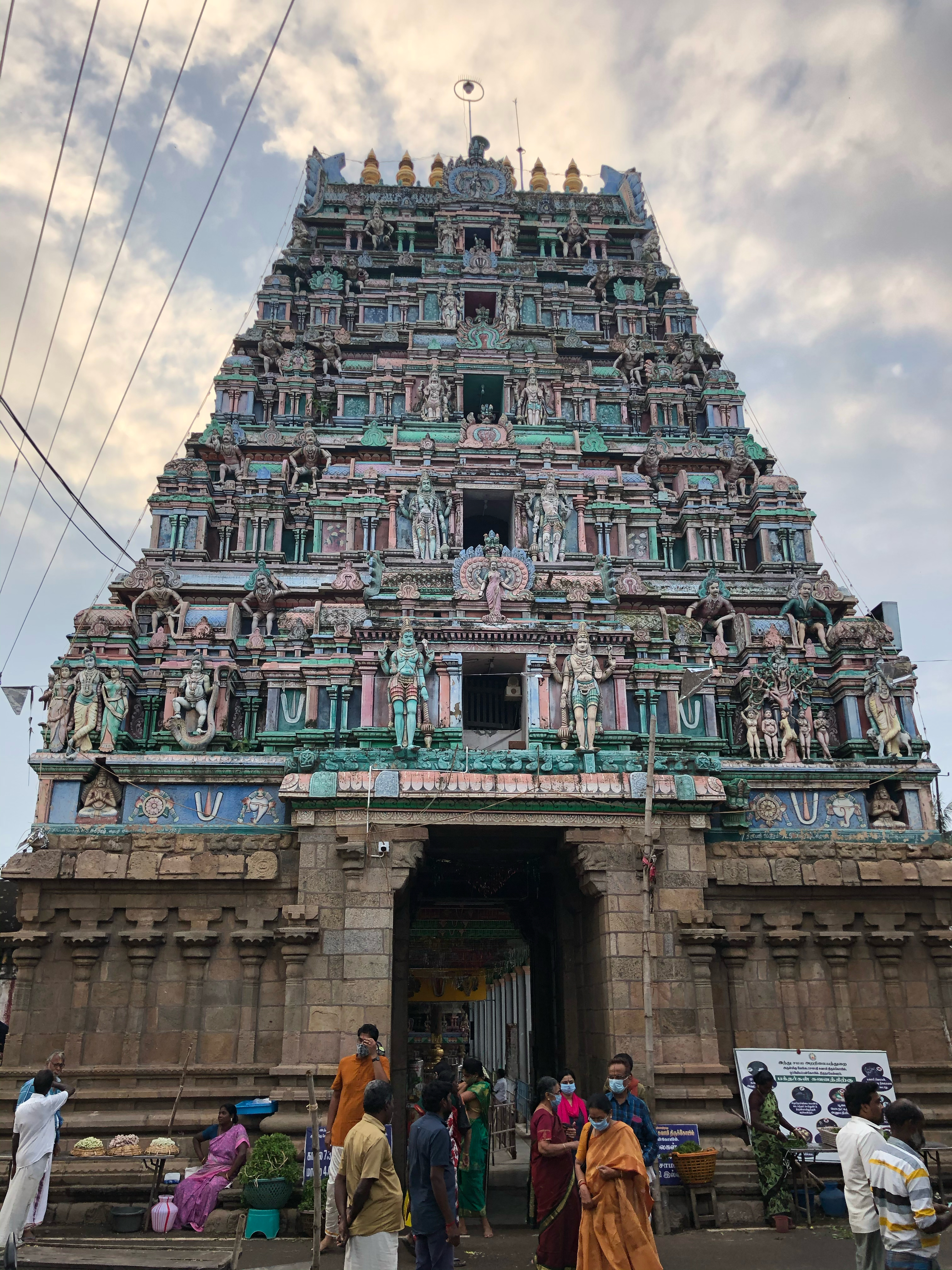
#16. Thiruvinnagaram - Sri Oppiliappan Perumāl Temple
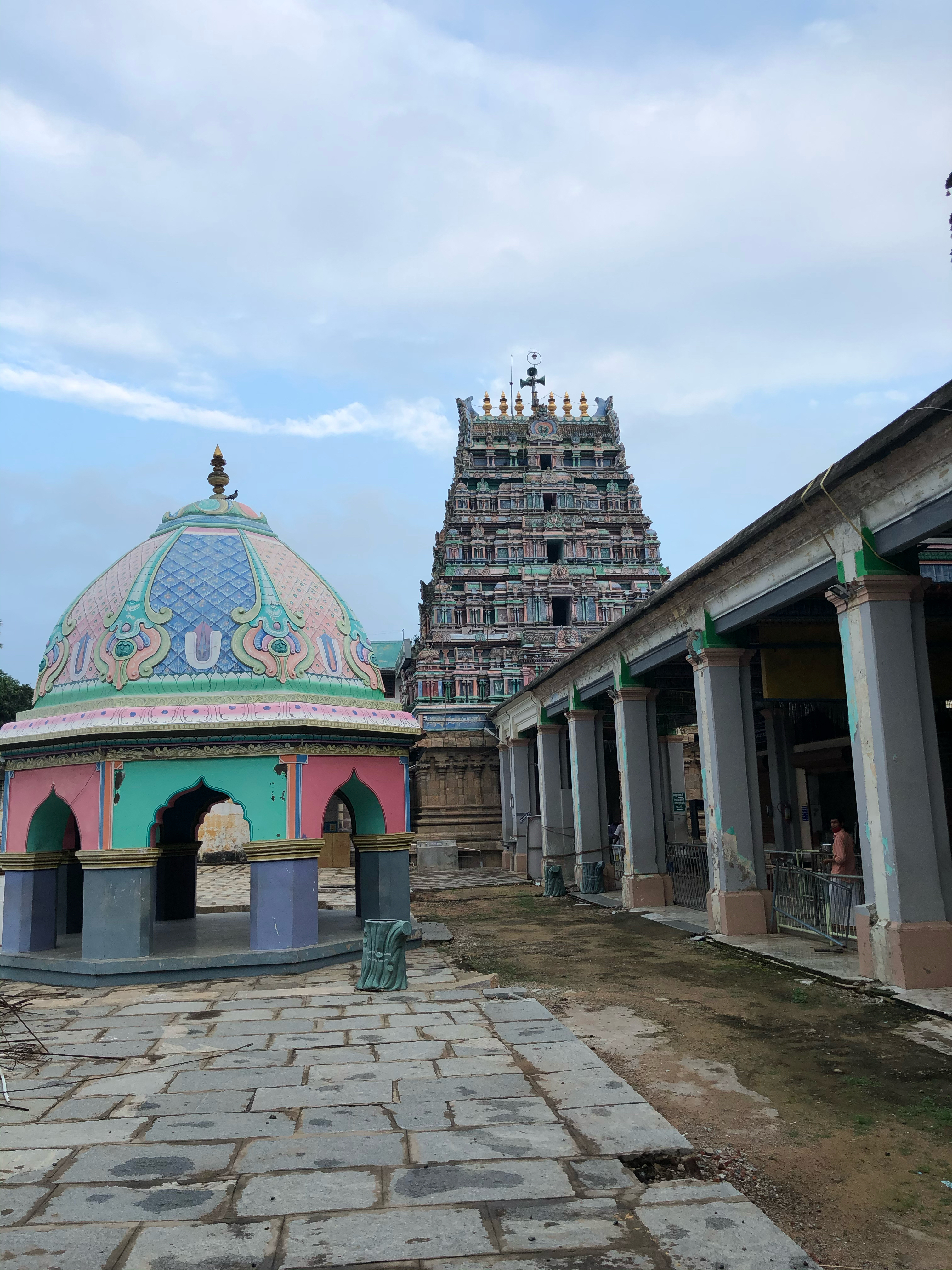
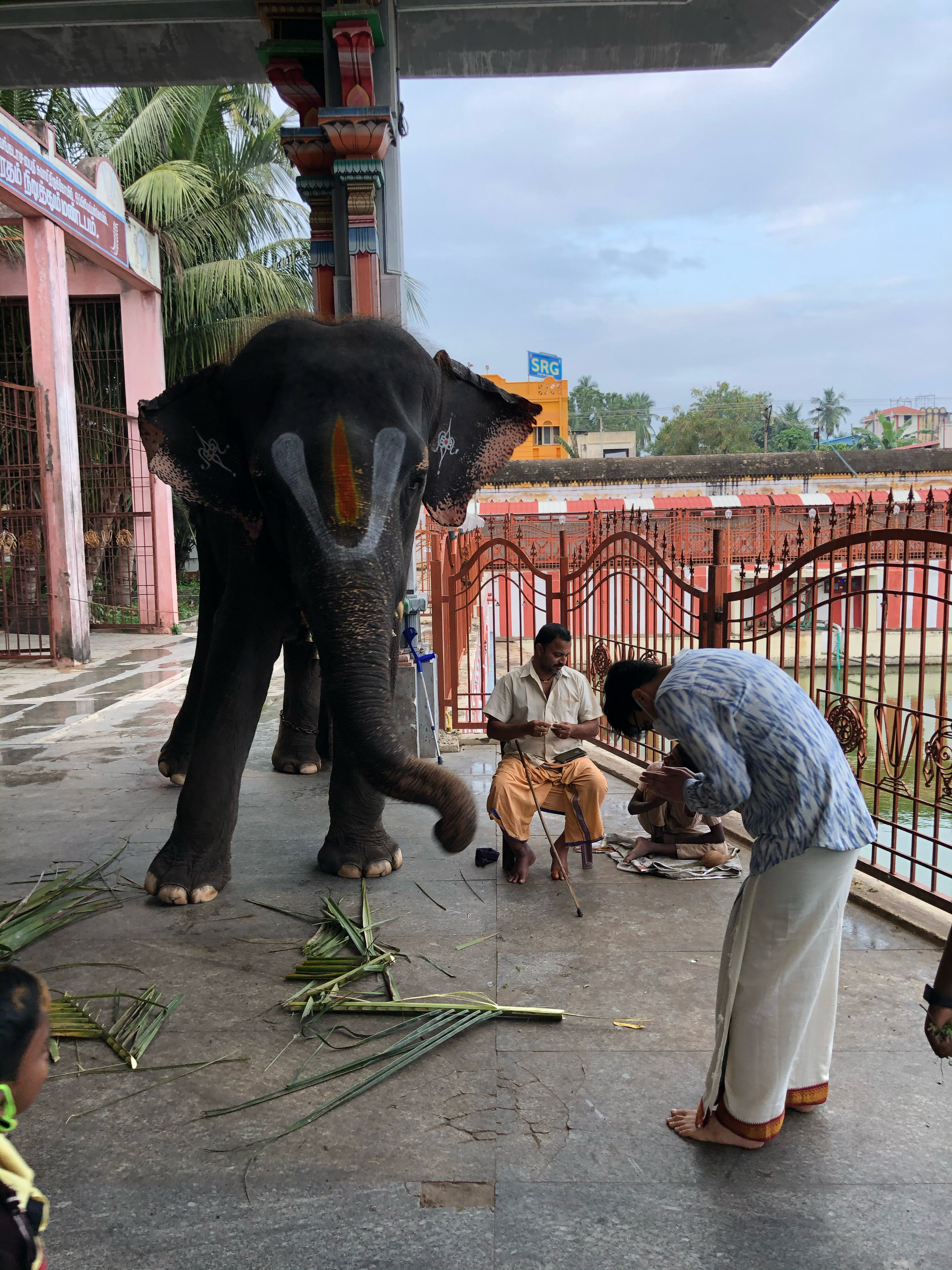
One of the most famous temples in the Kumbakōnam region, Oppiliappan Temple has a rich history with connections to Mārkandēya, Bhūmi Dēvi, and several Azhwārs including Thirumangai, Nammāzhwār, Pei Azhwār, and Poigai Azhwār. What struck me most was the unique round-faced mūrti of the Lord. It brought back fond memories of childhood to go back here and relive my roots. The temple elephant is a favorite among locals here and the pushkarani is huge. The name Oppiliappan itself refers to the fact that the deity here does not have “uppu” or salt in his food, a request he accepted while asking for Mārkandēya rishi’s daughter Lakshmi’s hand in marriage. He is considered the elder brother of Tirupathi Vēnkatēswarar.
Factoids -
Main deity - Sri Oppiliappan Perumāl
Mentioned in Prabhandam by - Thirumangai Azhwār, Nammāzhwār, Pei Azhwār & Poigai Azhwār
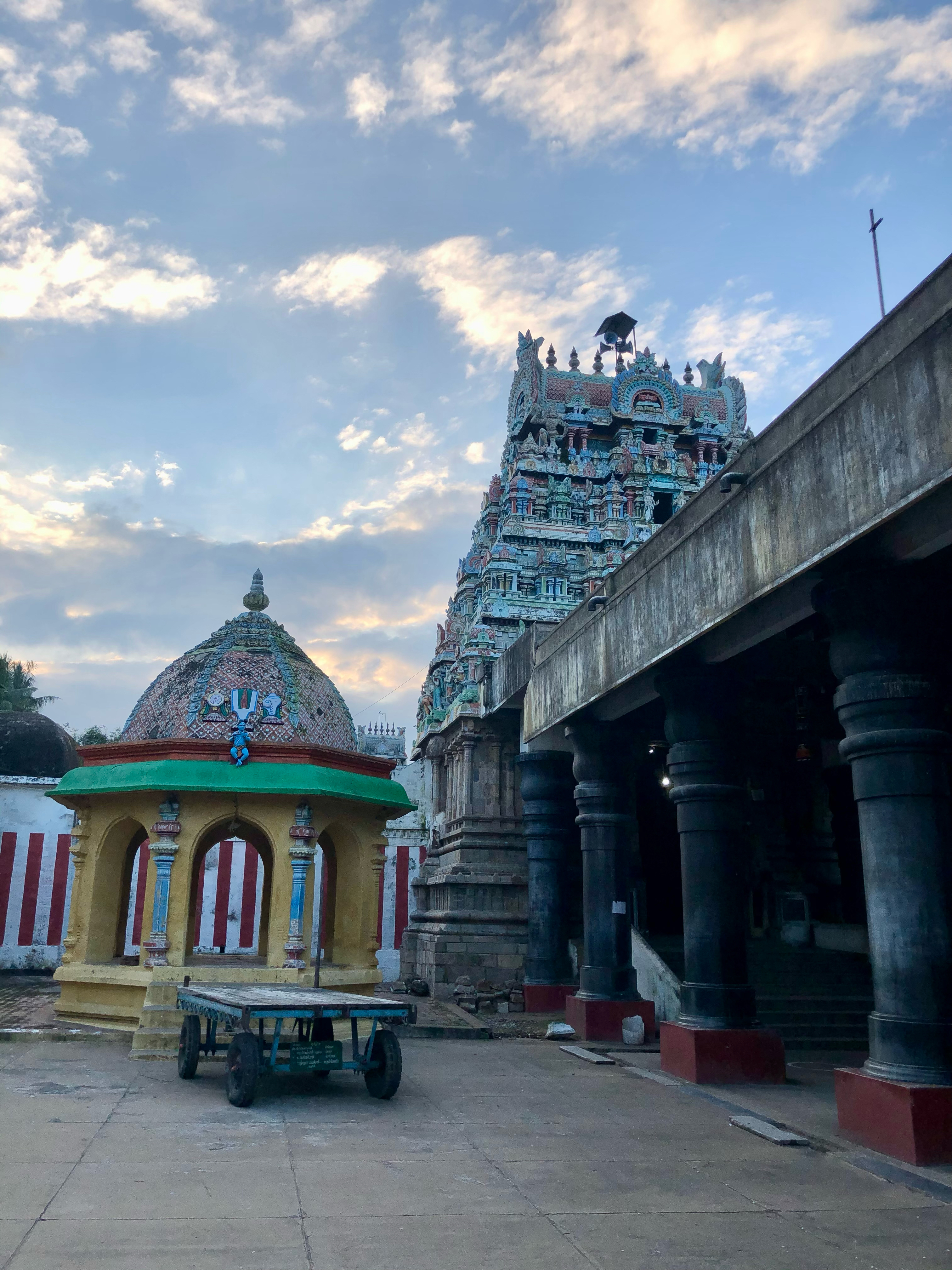
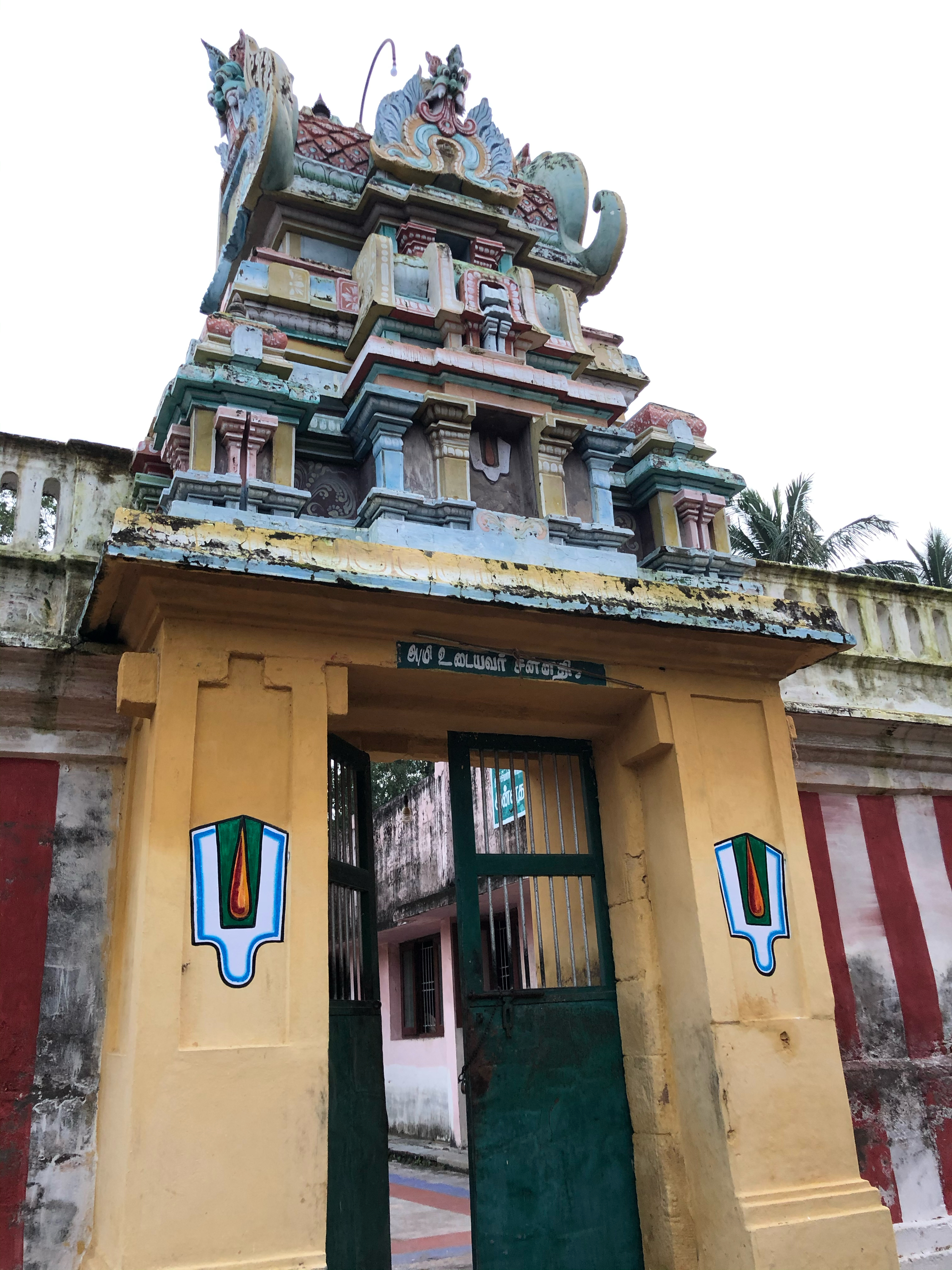
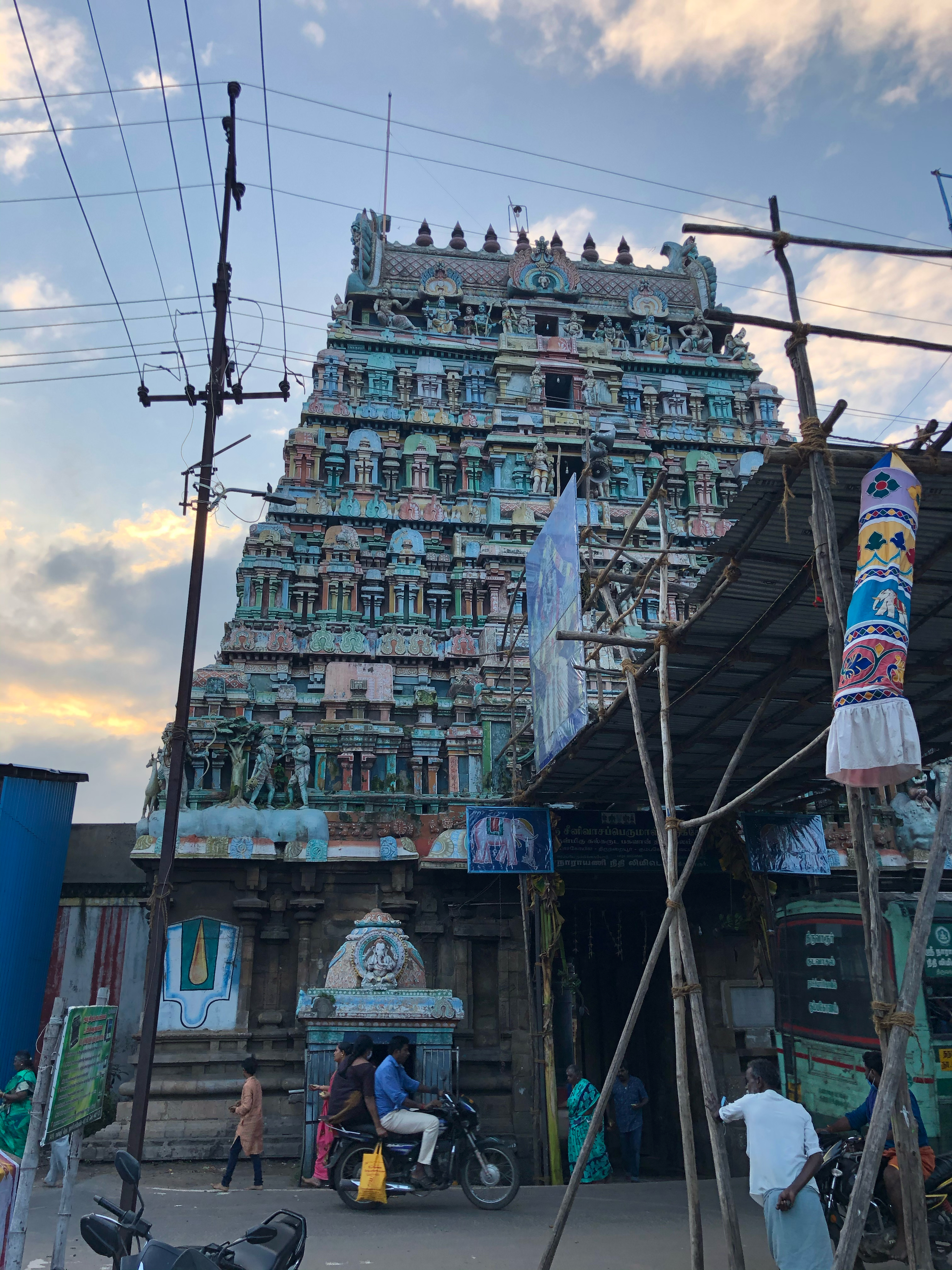
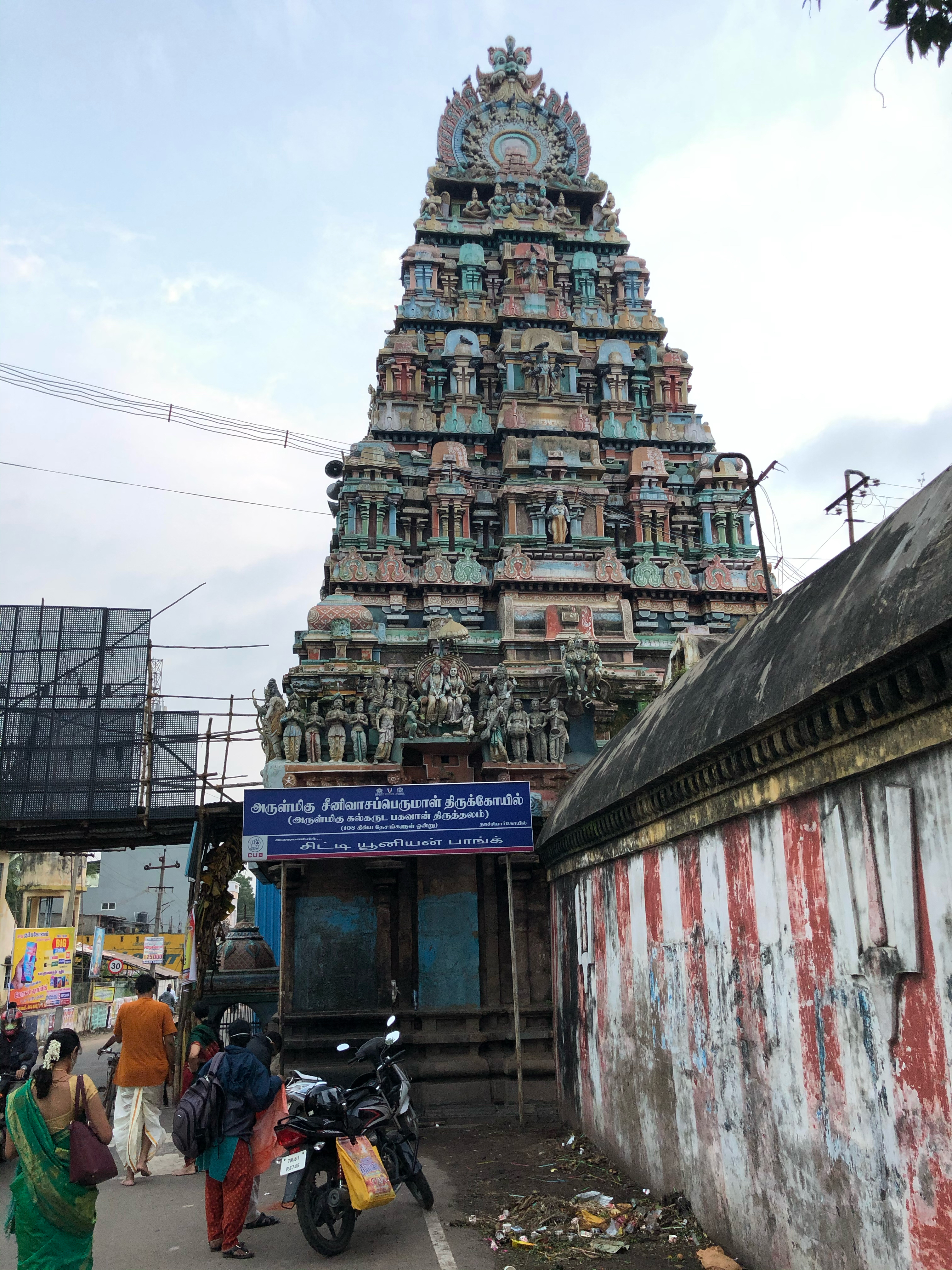
#20. Thirunāraiyūr - Sri Nachiyār Koil
In modern terms, this temple would be considered a “feminist” temple. That is because here the goddess Nachiyar has prominence over Vishnu, hence the name Nachiyar Koil. This temple is renowned for its Kal Garudan (stone Garuda) who witnessed the celestial marriage of Srinivāsa Perumāl and Nachiyār, making it an auspicious place for those seeking blessings for marriage and children. Perumāl is seen here in kalyāna kōlam (marriage attire) alongside Thāyār, with Pradyumna, Aniruddha, Purushōttama, Balarāma, and Brahmā also present. Manjula Dēvi and Bhūmi Dēvi grace the temple as well.
A unique aspect here is that Perumāl has only two hands, as He gave darshan in this form to Thirumangai Azhwār. Both the mūlavar and utsavar of Kal Garuda are the same deity here, and Garuda is taken out twice a year with the number of people carrying Him increasing as he goes out of each layer of the prākāra, from 8 to 16 to 64 to 128 as the weight increases! Built by the Chōlās around 1500 years ago, this is one of only three Divya Desams where Perumāl is in kalyāna kōlam (the others being Oppiliappan and Srivilliputhūr).
Another fascinating tradition is that there’s no separate sannadhi for Thāyār as Perumāl gave her the keys to the temple, believing that in Kali Yuga, the husband would listen to his wife! Nachiyār is also in the prominent position in the sanctum sanctorum with Perumāl slightly to the side.
Factoids -
Main deity - Sri Srinivāsan Perumāl & Vanjulavalli Thāyār
Mentioned in Prabhandam by - Thirumangai Azhwār
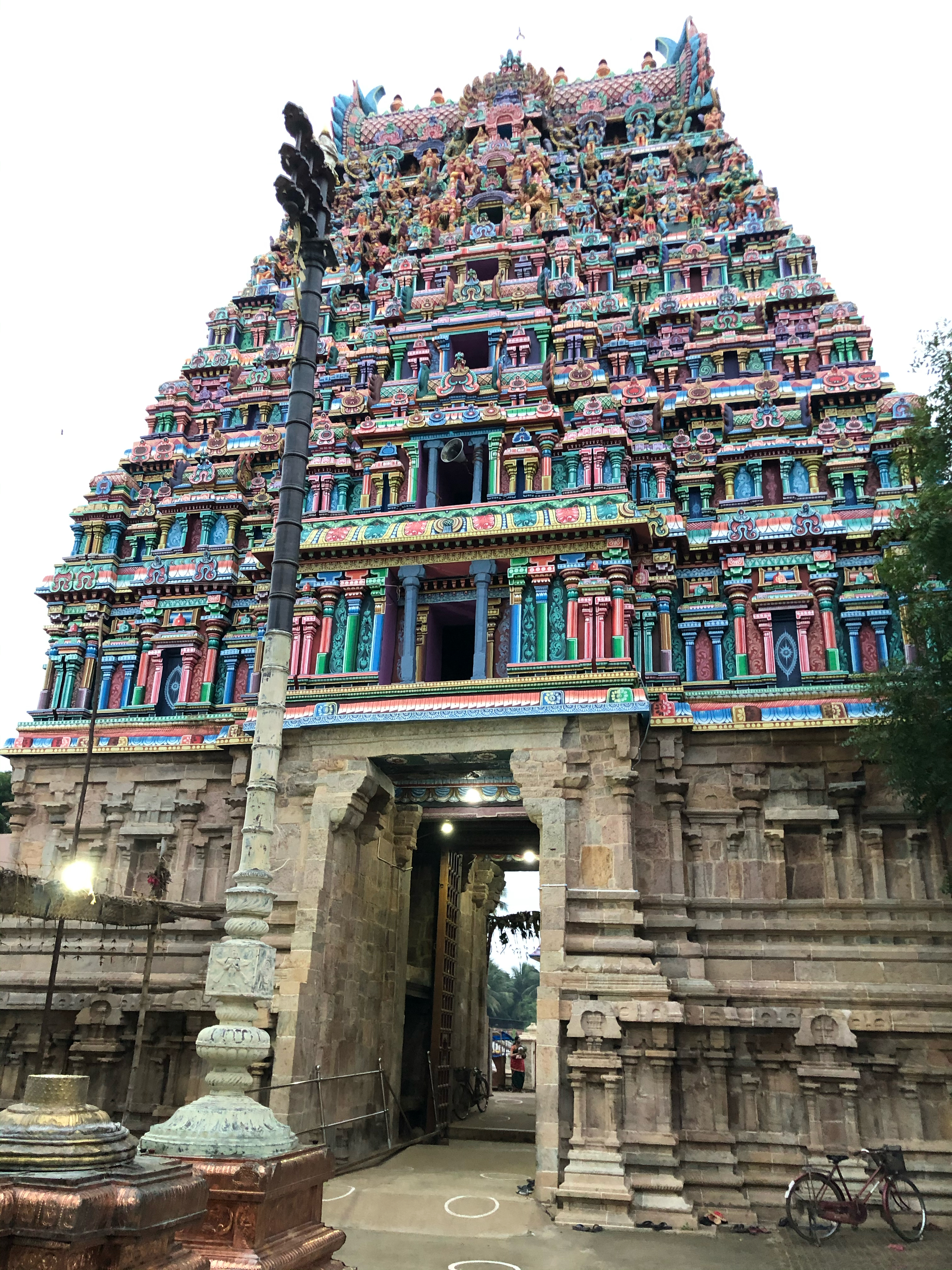
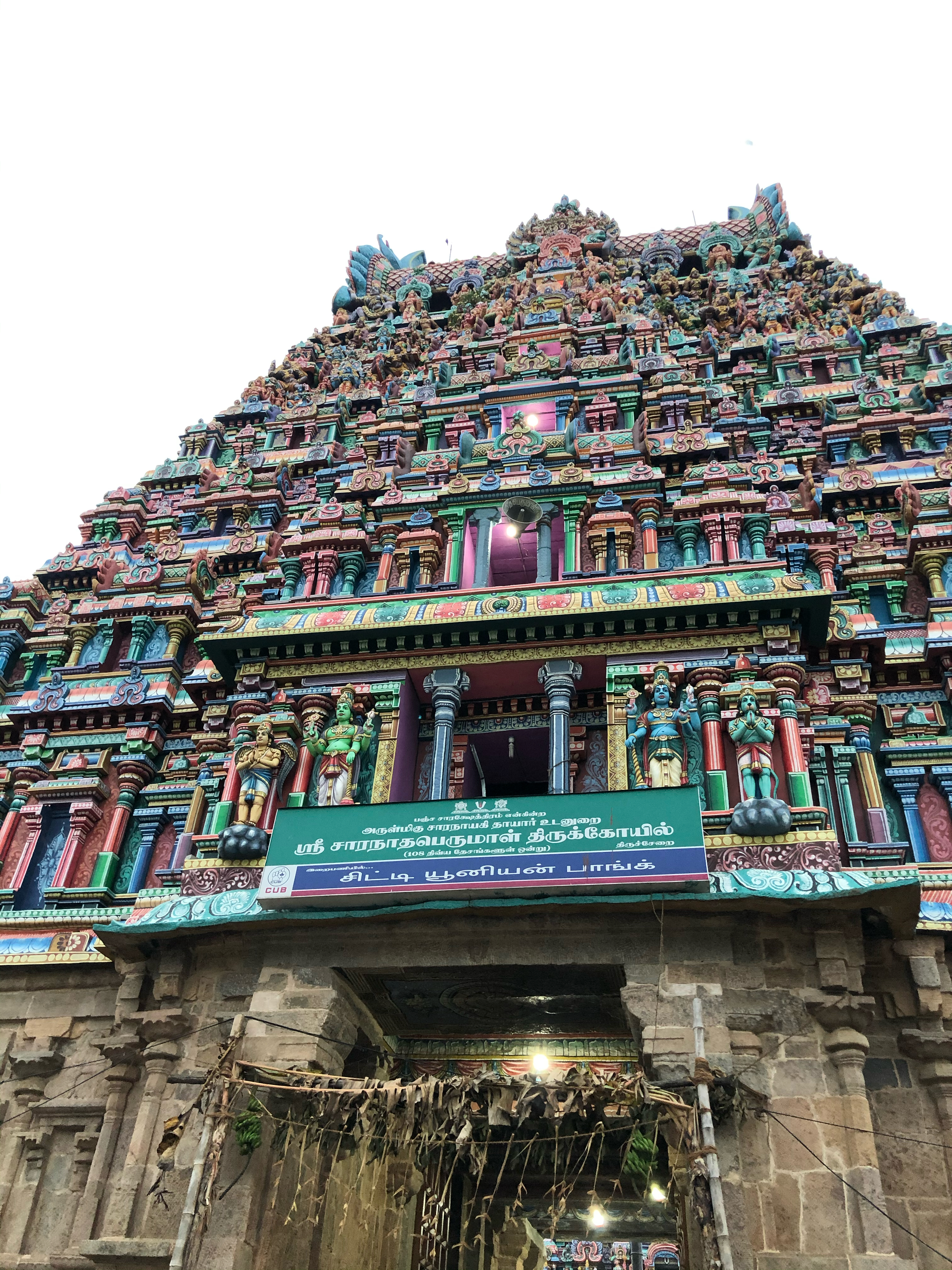
#12. Thiruchērai - Sri Sāranātha Perumāl Temple
Perumāl is very beautiful here and is seen with his five consorts - Srīdēvi, Bhūdēvi, Nīladēvi, Sāranāyaki, and Lakshmi. The legend goes that Perumāl comes as Bāla Krishna and walks across the “sēru” (mud) as Thirumangai Azhwār recites his pāsurams.
Another interesting tale is of Gangā versus Kāvēri here. Kāvēri performed tapas for 3000 years, and Krishna Himself declared her superior to Gangā. Perumāl here is known as “Perālan”, meaning He will give Himself if you call Him by that name. What made this visit special was getting to walk with Perumāl into the Swarga Vāsal (gateway to heaven).
Factoids -
Main deity - Sri Sāranātha Perumāl
Mentioned in Prabhandam by - Thirumangai Azhwār
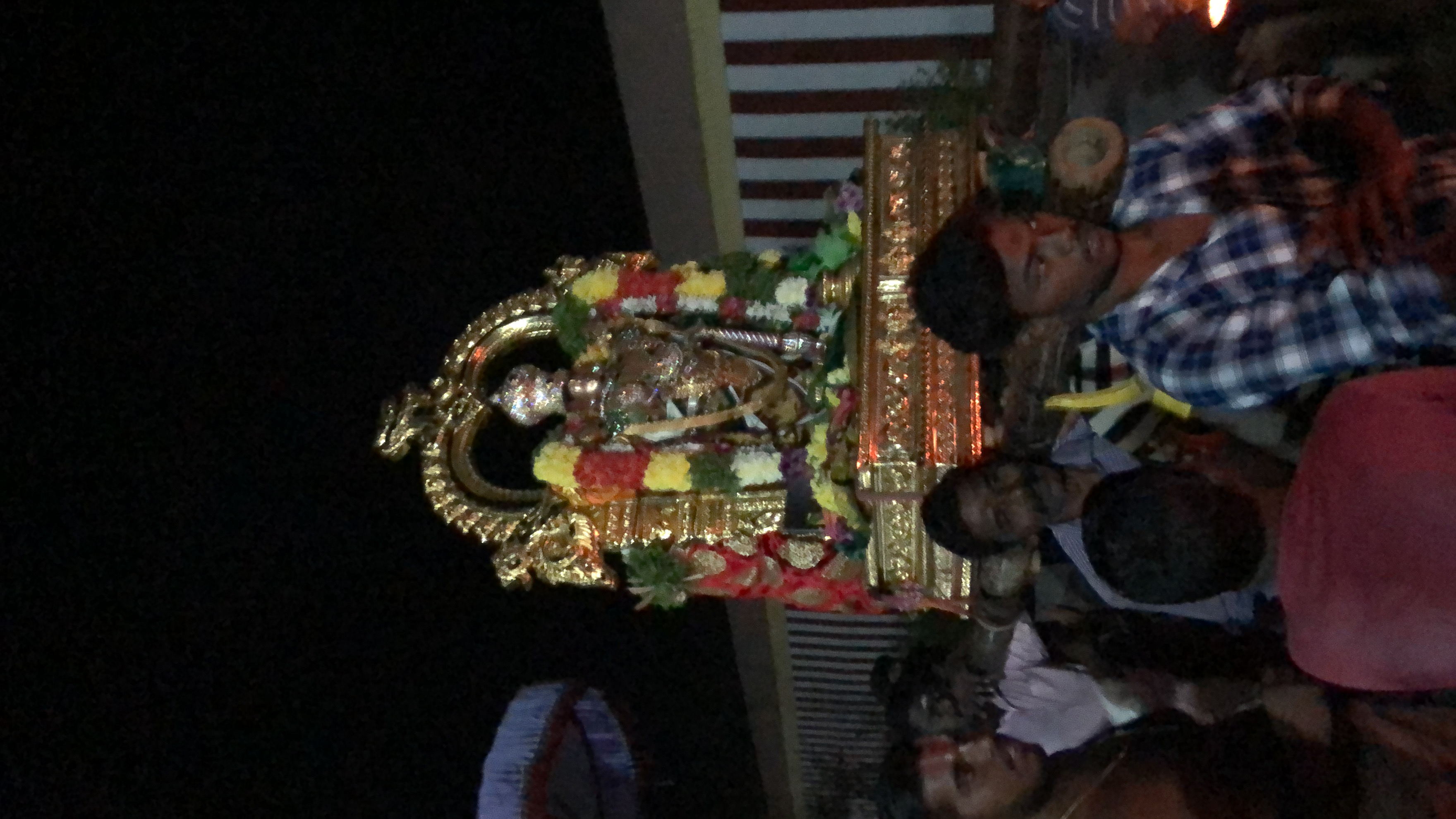
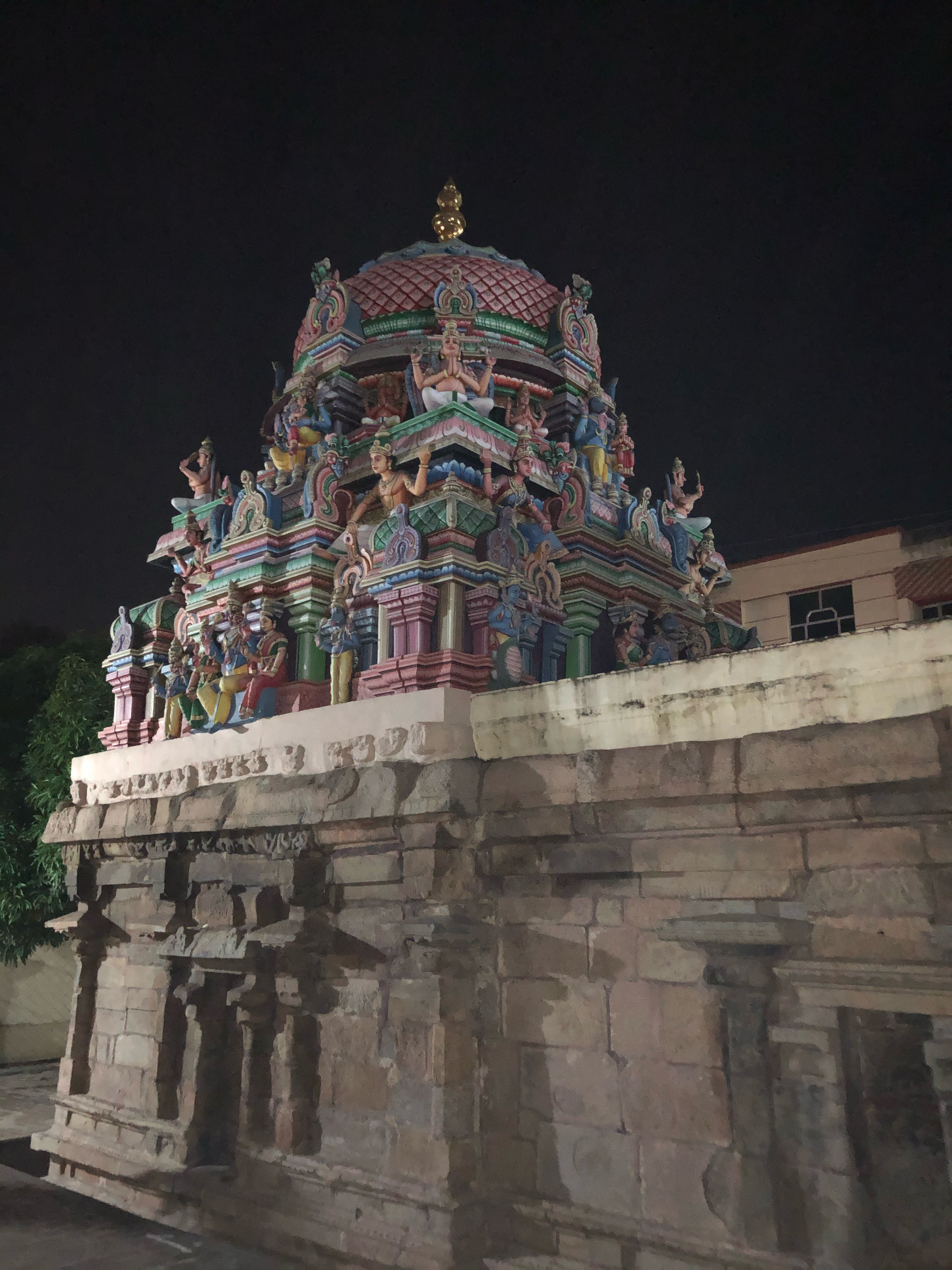
In between the Divya Desams we made a trip to our family’s kula deivam as well as our own temple - Sri Ādhi Varāha Perumāl Temple built by my great-great-grandfather Rangaswāmi Iyengar. It is always a special feeling to come back to our temple and knowing the rich history and legacy associated with it as well as the responsibility on our shoulders to take that forward. The temple has the Varāha Perumāl with Bhūdēvi on his lap and is considered the deity to resolve land disputes as well as those seeking marriage.
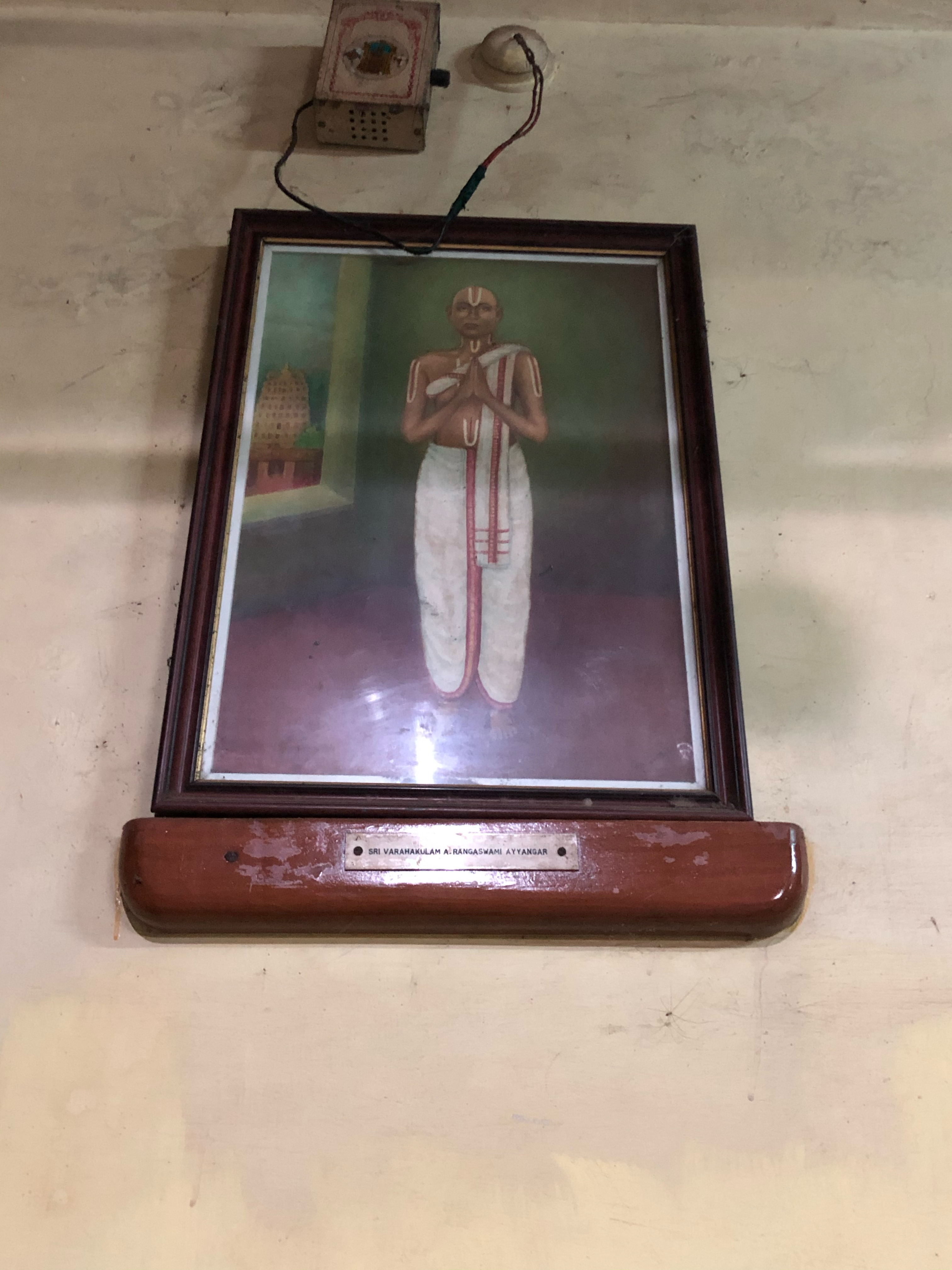
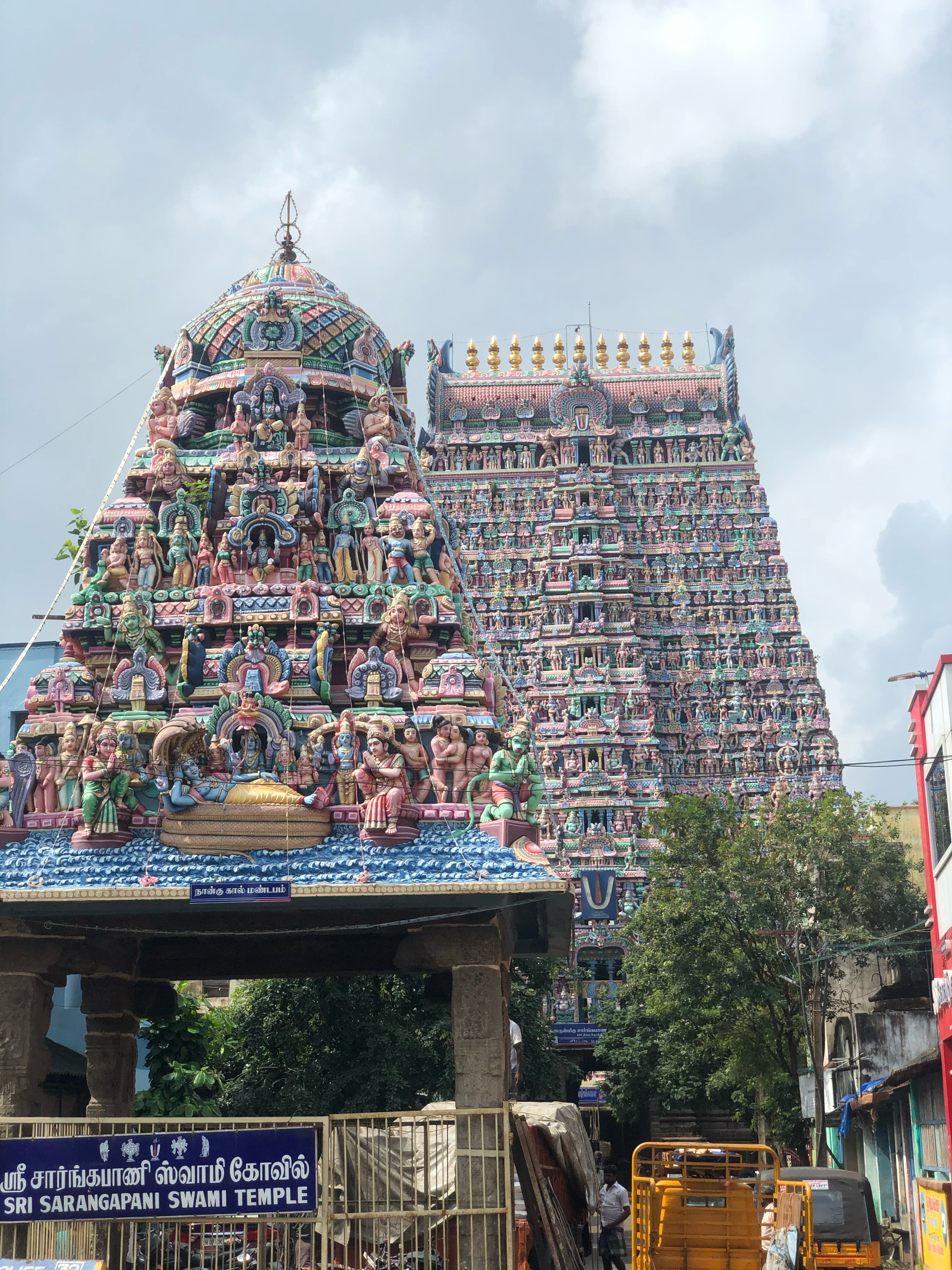
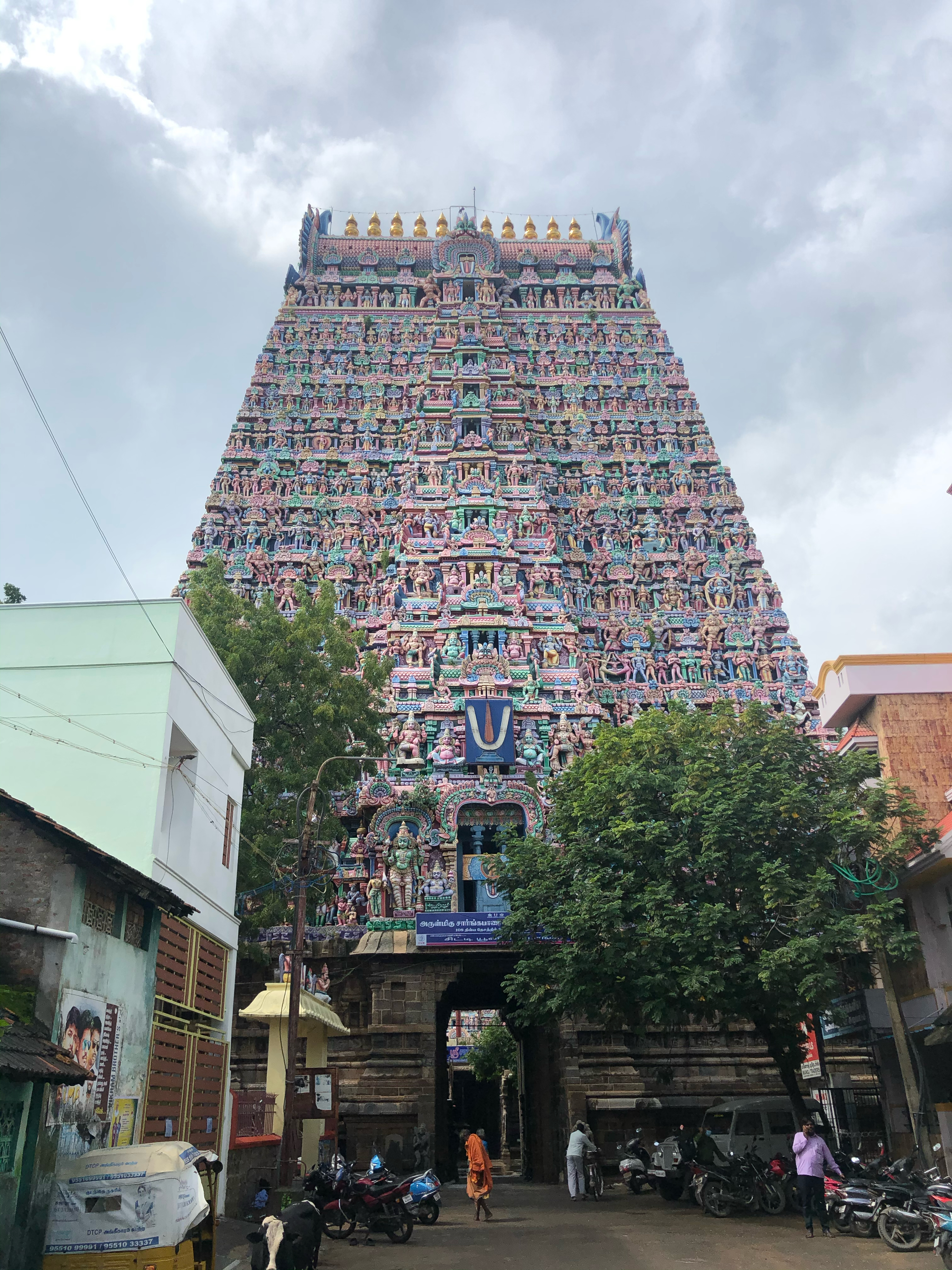
#14. Thirukudanthai - Sri Sārangapāni Perumāl Temple
One of the grandest temples in the region, Sārangapāni Temple is as impressive as Srirangam itself. The temple is massive with intricate architecture and a unique feature - the Pāthāla Srinivāsa sannadhi located beneath the main shrine. This temple is also close to my heart as the great Srinivāsa Rāmānujan also lived on this temple’s street and visited regularly along with goddess Nāmagiri. I got a chance to visit his ancestral agrahāram home which has now been converted into a heritage structure. We also visited the nearby Chakrapāni temple which is not a Divya Desam but is equally massive and impressive.
Factoids -
Main deity - Sri Sārangapāni Perumāl (also known as Āravamudhan)
Mentioned in Prabhandam by - Periyāzhwār, Āndāl, Thirumangai Azhwār, Nammāzhwār, Thirumazhisai Azhwār and Bhūthat Azhwār.
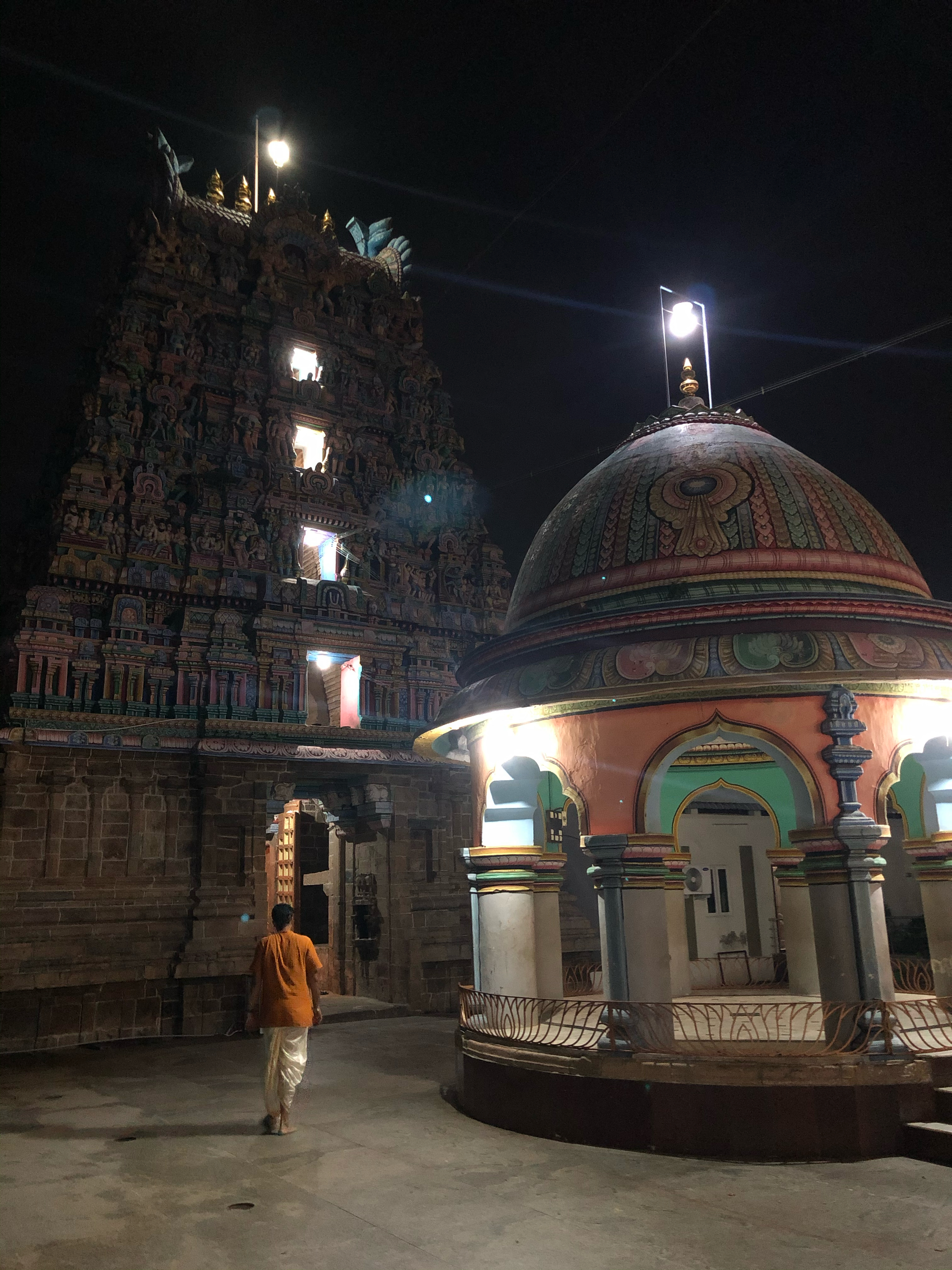
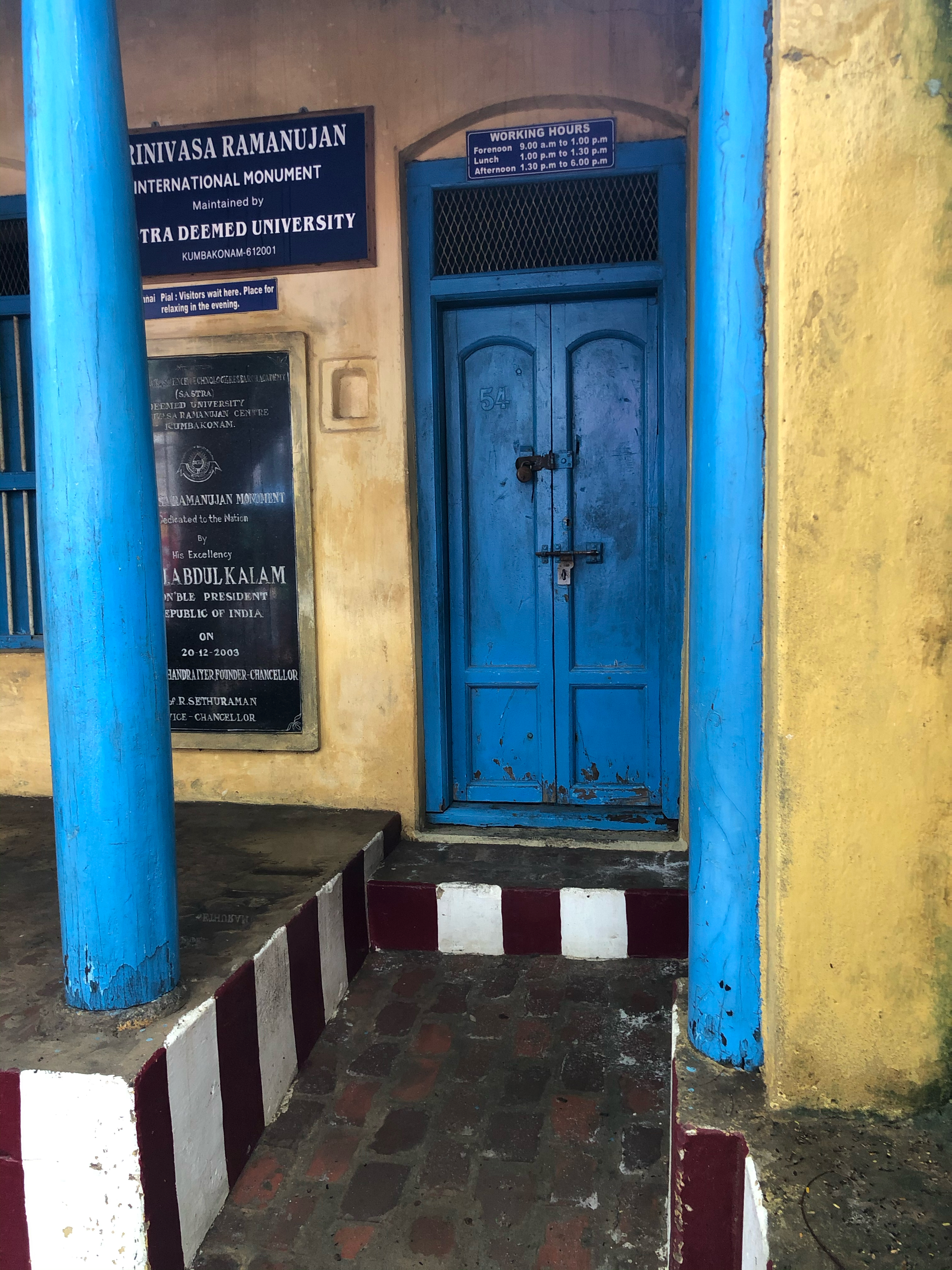
We wrapped up for the night with this and started again the next morning with the remaining temples.
#9. Thiruādanūr - Sri Andalakkum Ayyan Perumāl Temple
A smaller temple reminiscent of those in Sīrkāzhi. Heavy rains had started as we visited this temple. The unique feature here is Perumāl is with Ādisēshan on His head. “Aa” in Ādanūr stands for cow and the Lord is said to have given darshan to Kāmadhēnu here.
Factoids -
Main deity - Sri Andalakkum Aiyan Perumāl and Ranganāyaki
Mentioned in Prabhandam by - Thirumangai Azhwār and Kulasēkara Azhwār
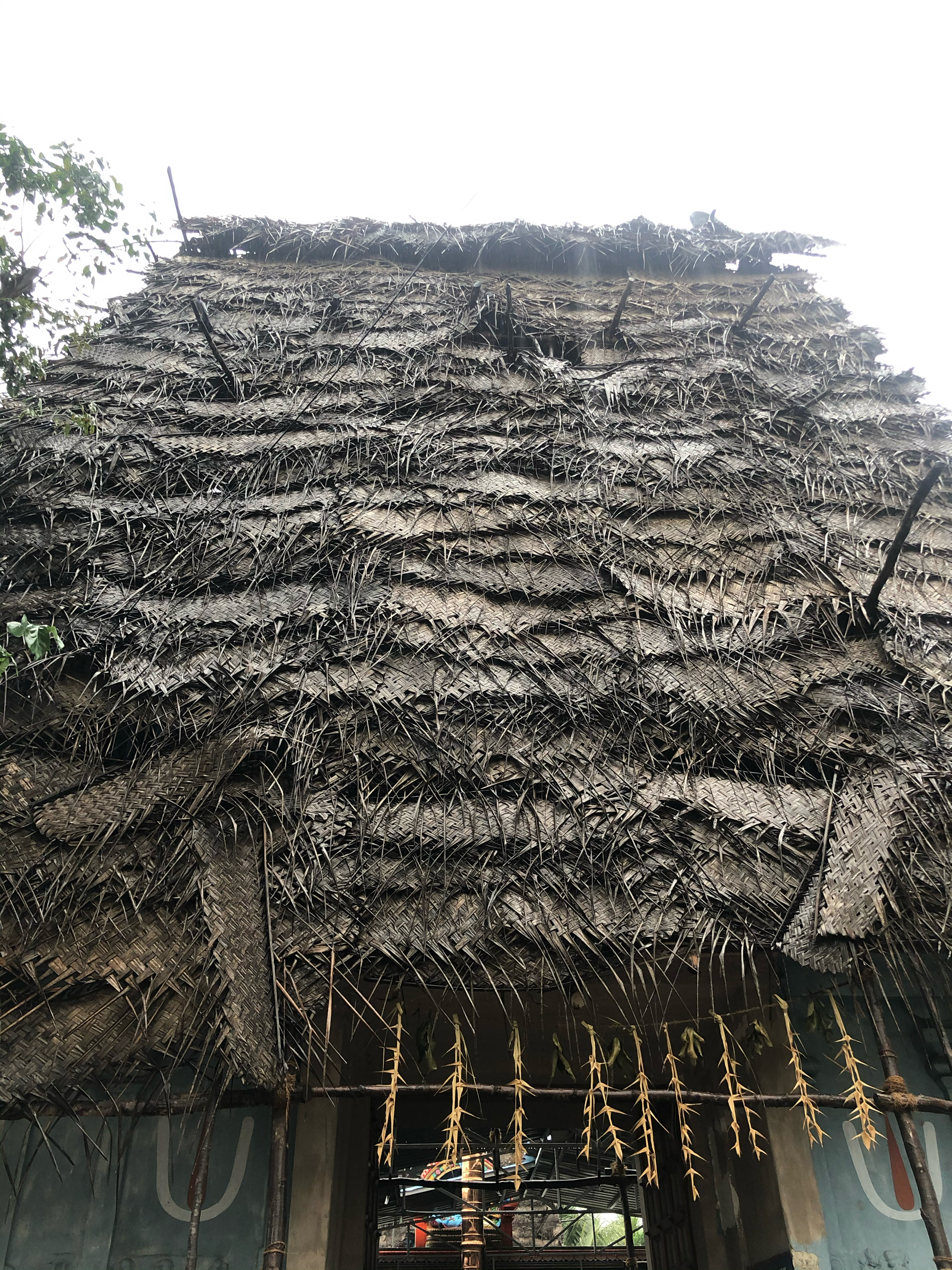
#7. Thiruppullāmbūthankudi - Sri Valvil Rāmar Temple
This temple is associated with Jatāyu mōksham, the liberation of the great vulture Jatāyu. Inside the sanctum sanctorum you can see Perumāl as Valvil Rāmar along with Lakshmana, Hanumān, and Jatāyu. The legend goes that Thirumangai Azhwār saw Rāmar resting here after he performed the final rites for Jatāyu but didn’t recognize Him initially.
What makes this temple special is seeing Rāmar in sayanam (reclining) posture, a rare sight as Rāma is usually depicted standing or sitting. The mūlavar is known as Chakravarthi Thirumagan. The name Pullam Kudi comes from the Lord taking rest here.
Factoids -
Main deity - Sri Valvil Rāmar (Bhūtapurī)
Mentioned in Prabhandam by - Kulasēkara Azhwār
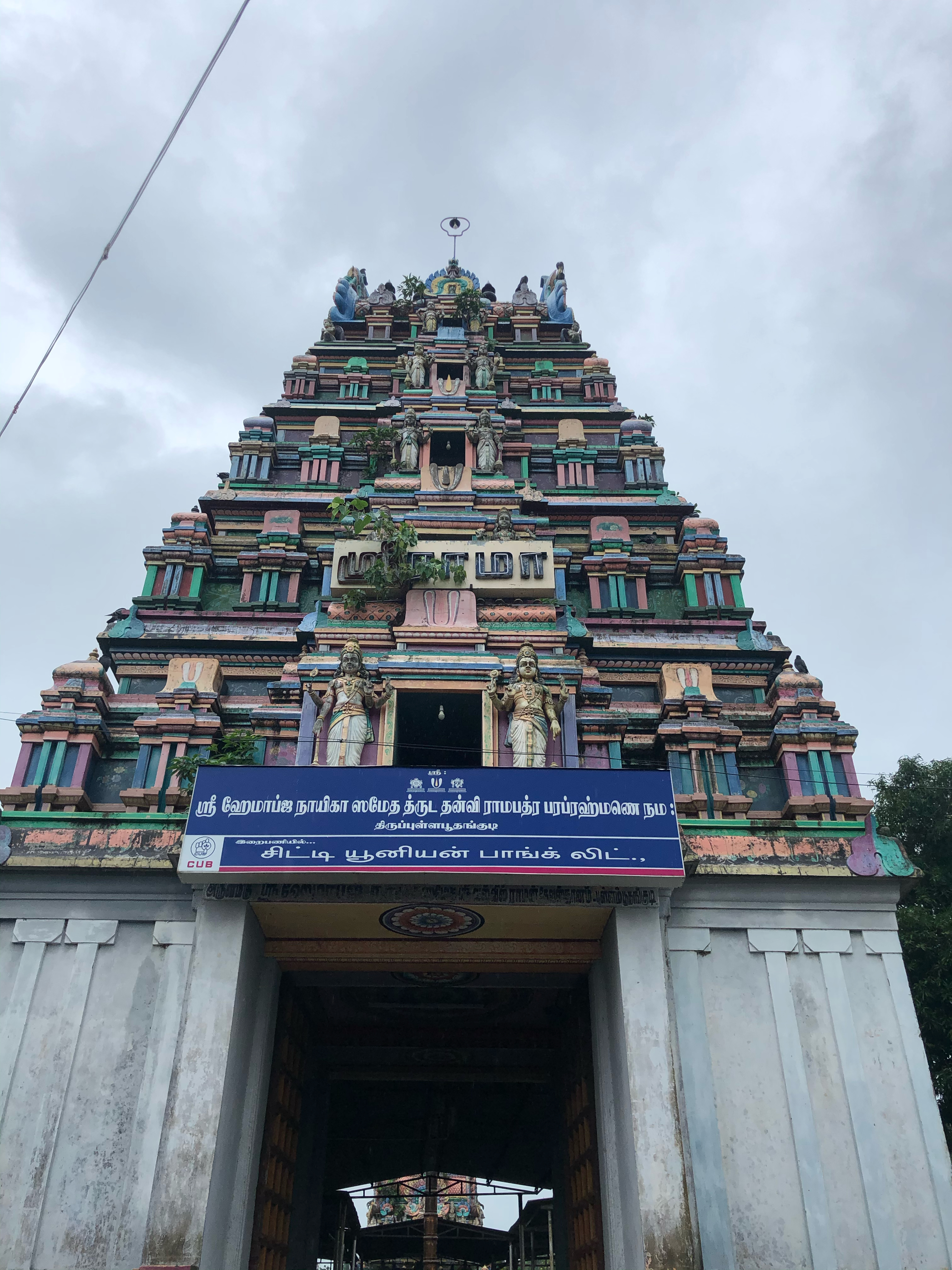
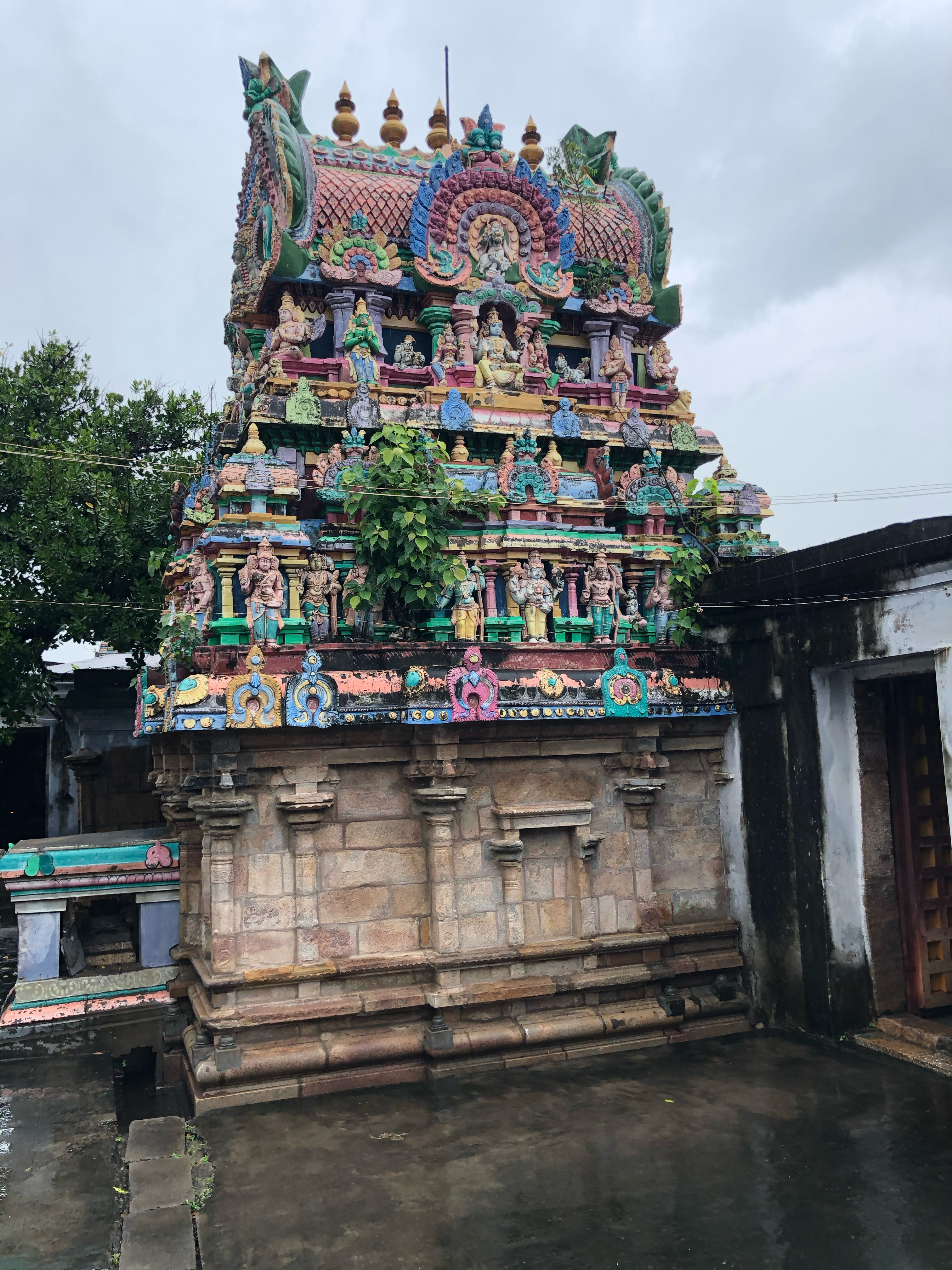
#28. Thirukapisthalam - Sri Gajēndra Varadhan Perumāl Temple
This temple commemorates the famous Gajēndra Mōksham where Vishnu saved the elephant king from the crocodile. Ānjaneya and Parāshara Muni performed penance here for 600 years. Perumāl is in sayanam posture with Ādisēshan. Kabi means monkey and since Ānjaneyar was given darshan of Perumāl we get the name Kabisthalam.
The temple has a Swarga Vāsal with a mirror arrangement. I noticed the Perumāl mūrti seemed smaller in size compared to other temples. While there was no regular bhattar present, another devotee explained the temple’s significance well. The front gōpuram was missing which I hope gets restored some day.
Factoids -
Main deity - Sri Gajēndra Varadhan Perumāl
Mentioned in Prabhandam by - Thirumazhisai Azhwār
#25. Thirukūdalūr - Sri Jagath Rakshakan Temple
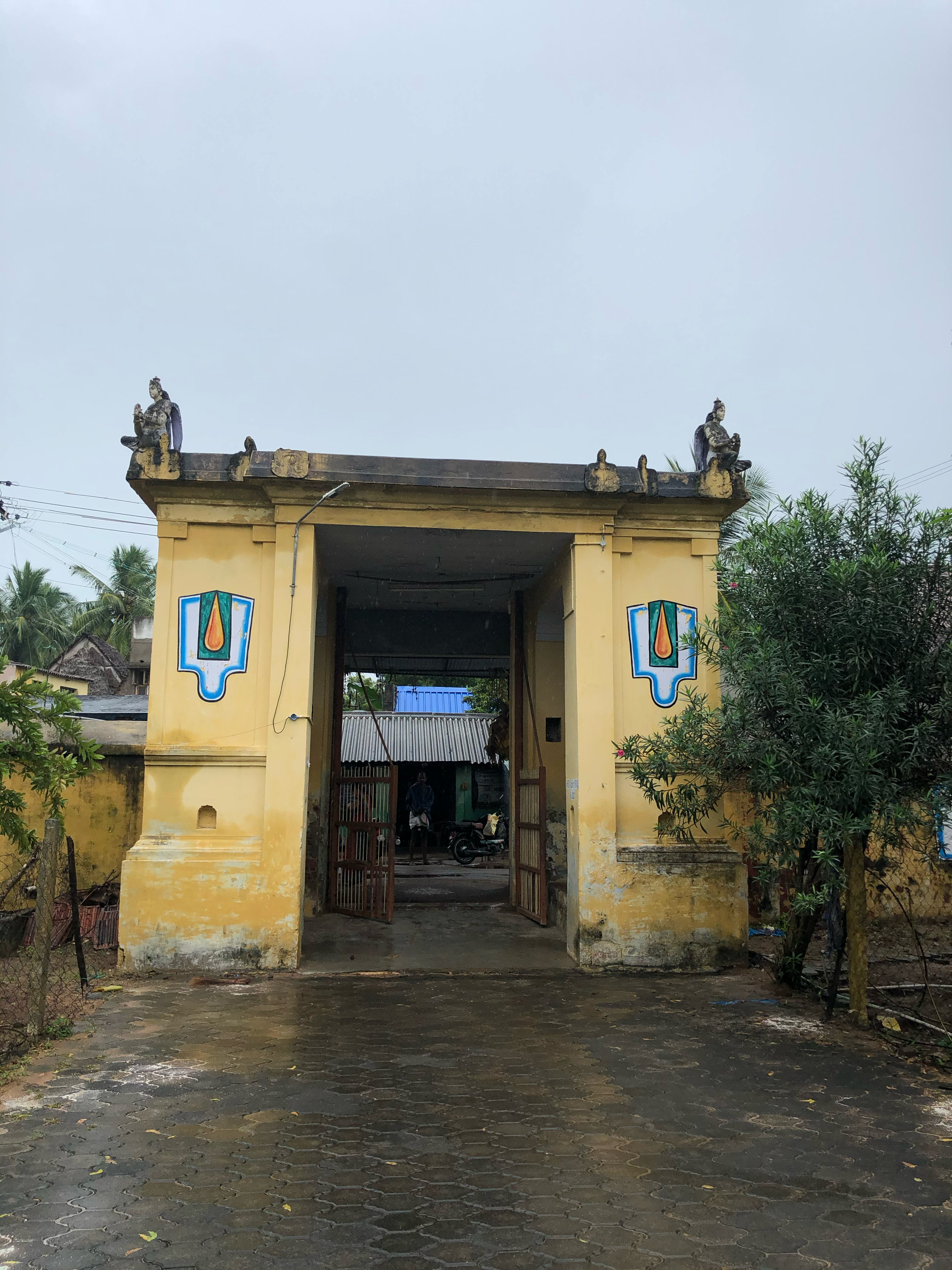
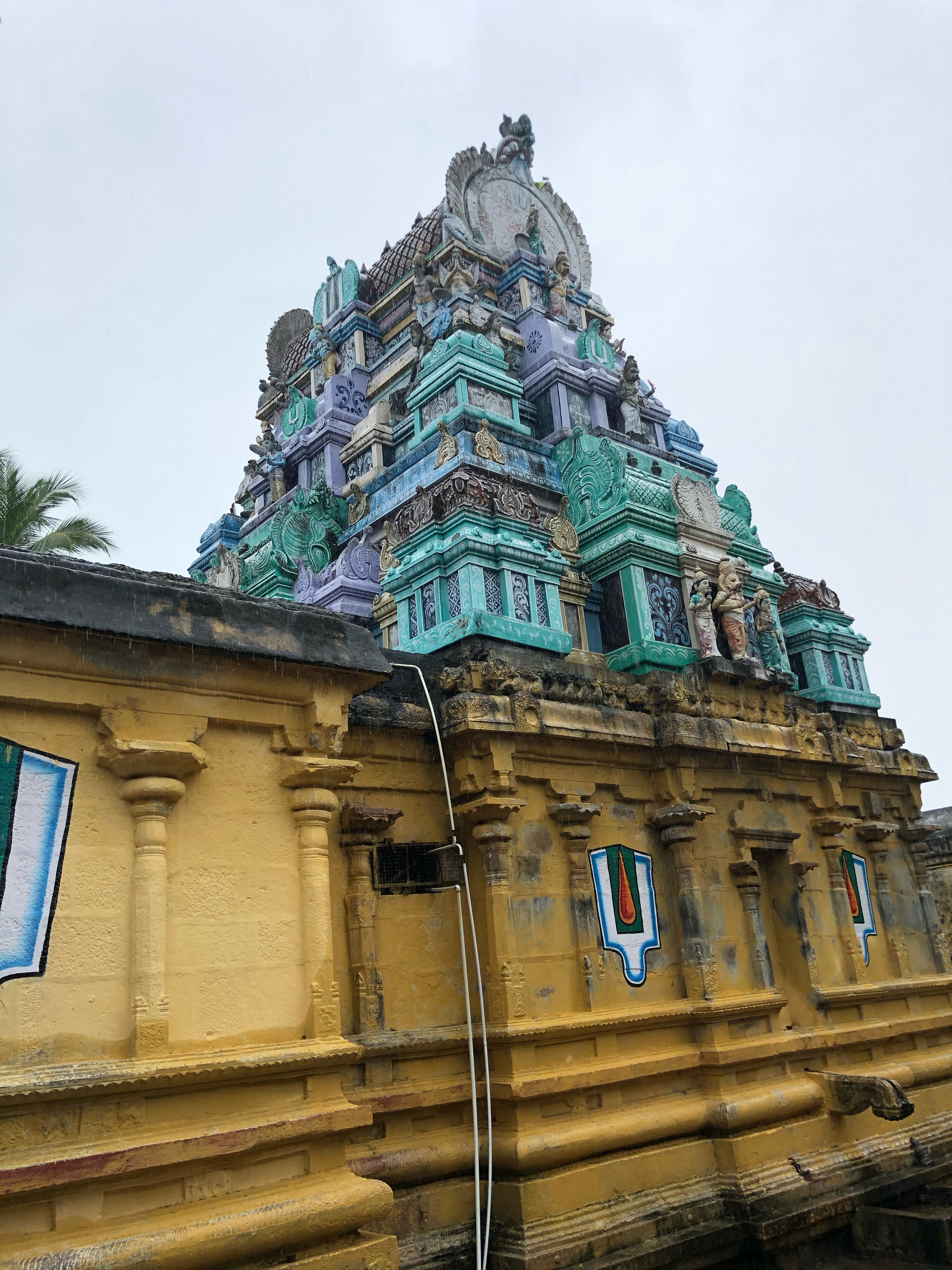
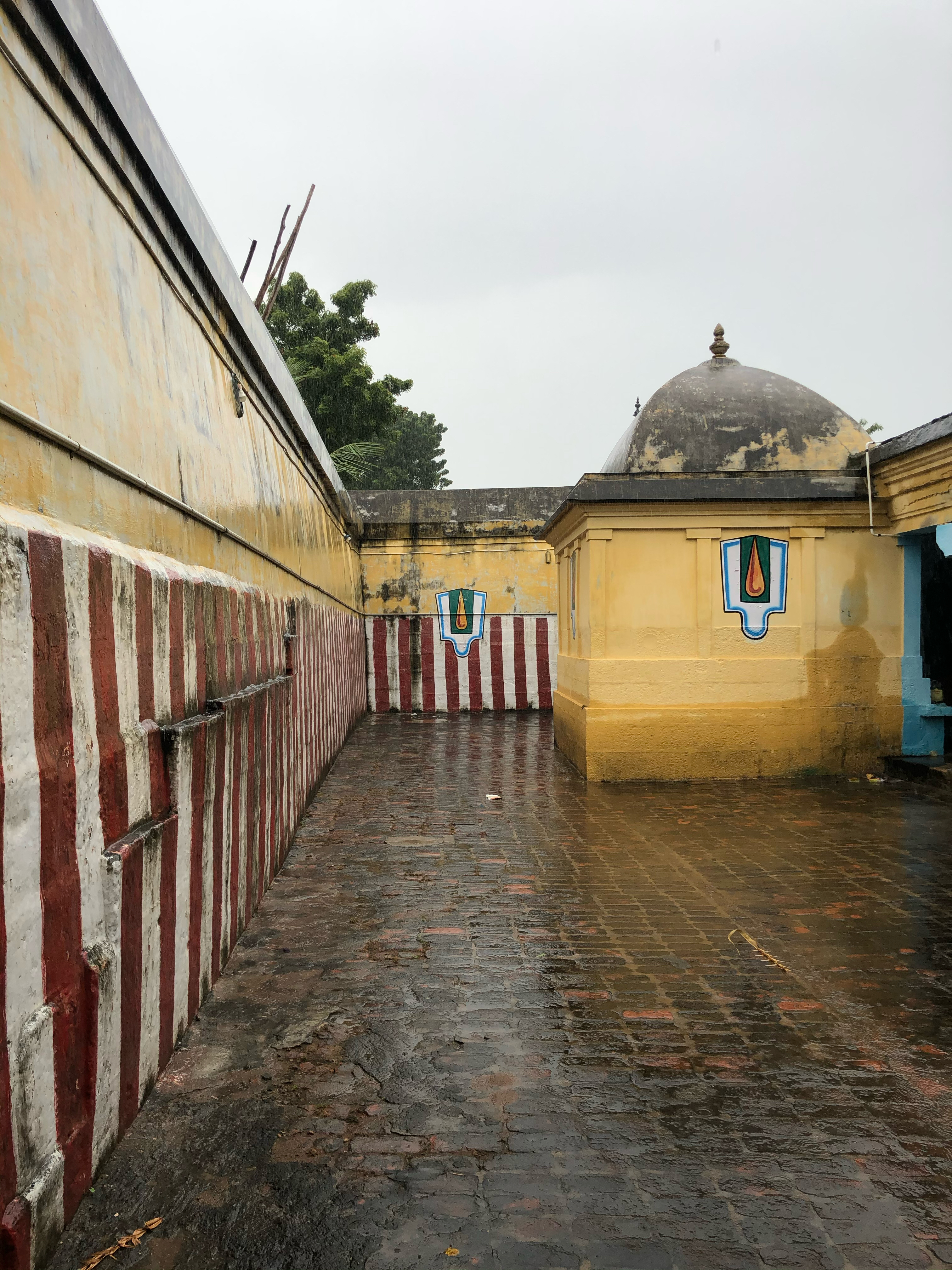
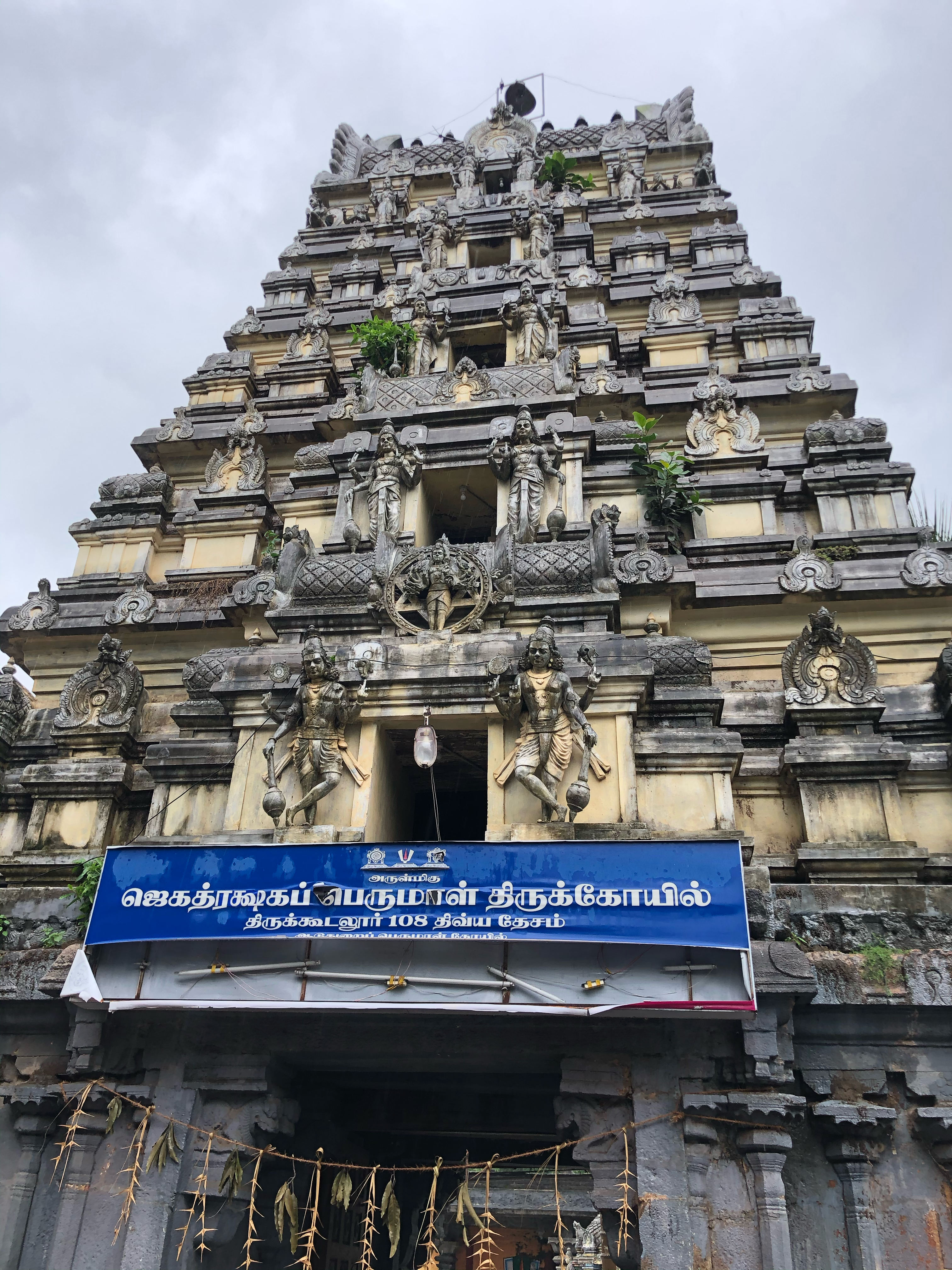
An interesting temple with a unique story. There’s a pālā maram (jackfruit tree) with a conch (sangu) that was wilting in 2003 but was saved, and the conch started to show again. It is believed that this is Vishnu’s conch. The legend says Kāvēri went to a fisherman’s house and on her way back, shone light here, leading to the temple’s creation. The name “Thirukūdalūr” comes from all the dēvas, munis, and Shiva coming together (kūdi vanthu) to witness the death of Hiranyākshan.
I couldn’t see the mūlavar clearly but saw Varadarājan who was similar in form. Vishnu is in the Varāha avatar here. The bhattar left in a hurry, but another person explained the temple’s history. He mentioned he hadn’t received salary in 2 years and the temple depends on public funds, a sobering reminder of the challenges facing many of our ancient temples.
Factoids -
Main deity - Sri Jagath Rakshakan
Mentioned in Prabhandam by - Thirumangai Azhwār
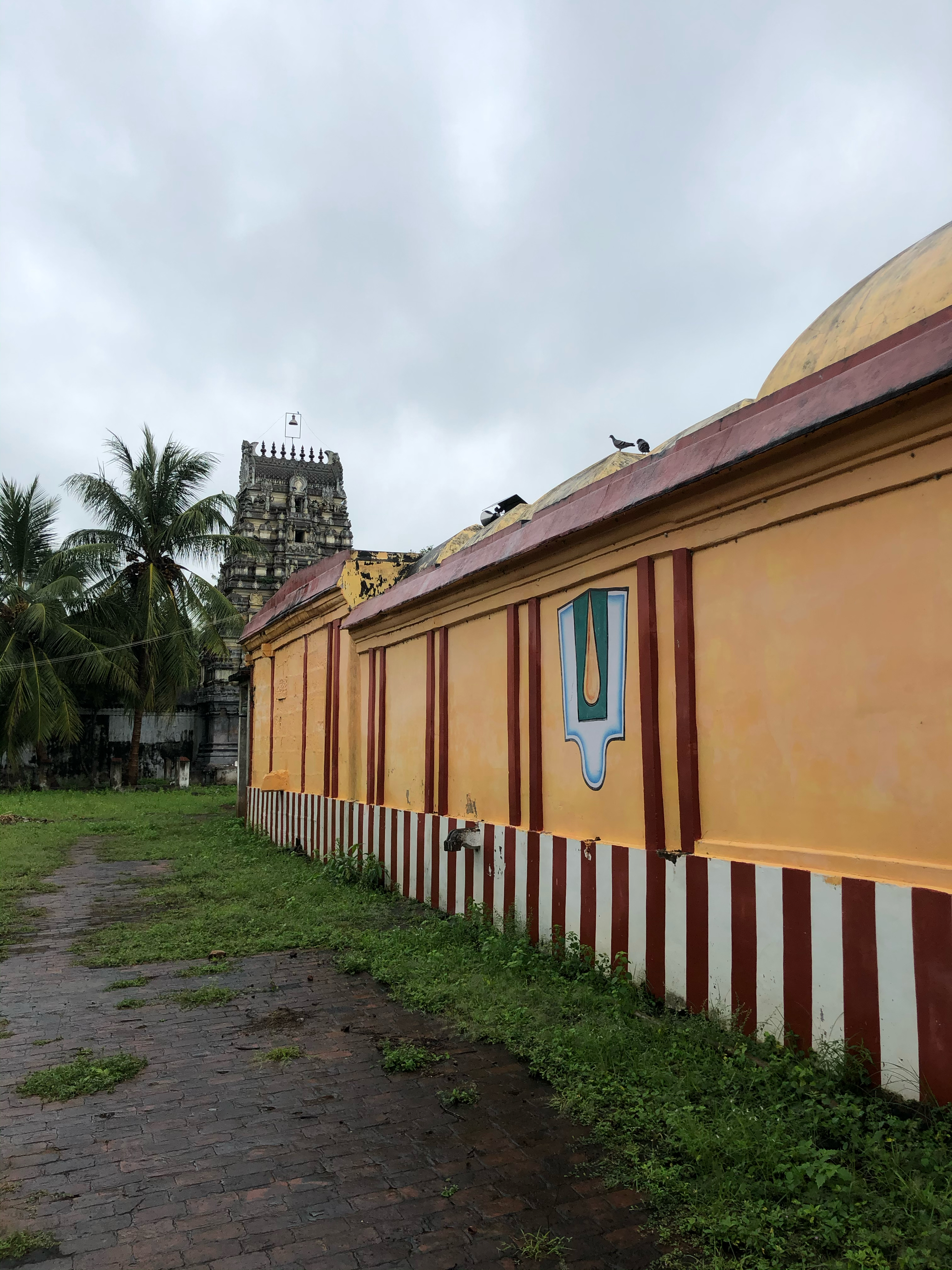
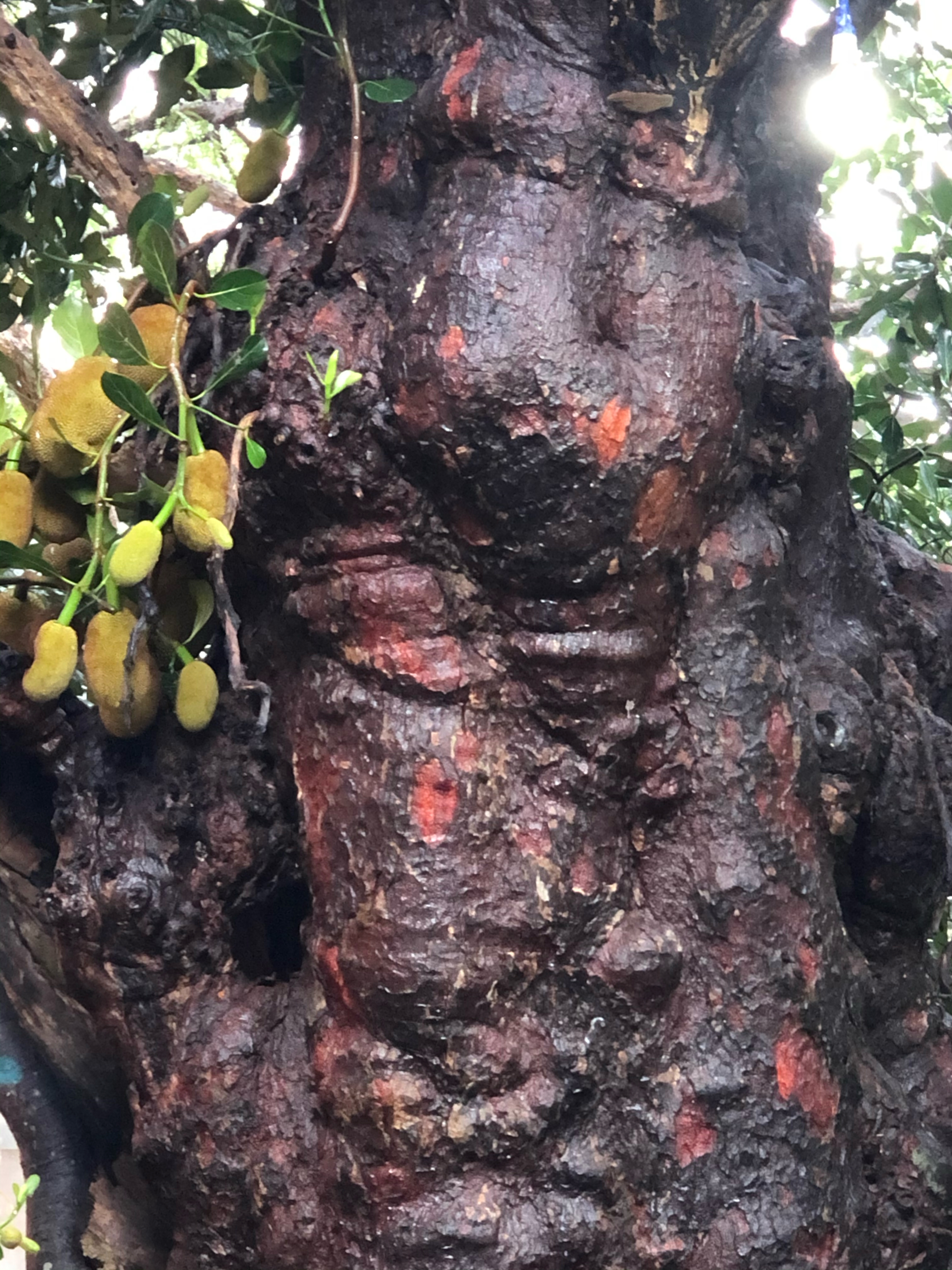
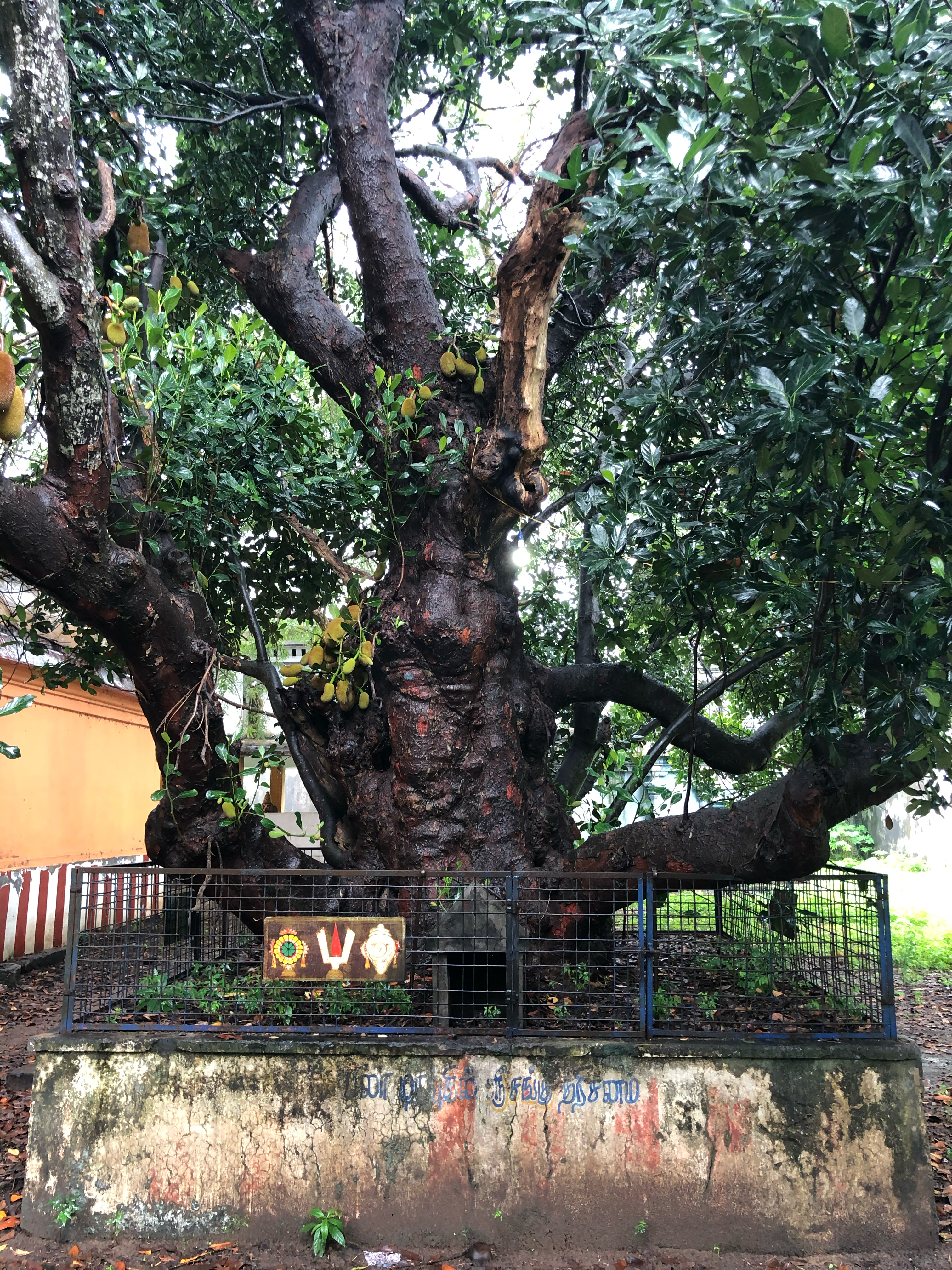
#21. Thiru Nandipura Vinnagaram - Sri Jagannāthan Perumāl Temple
A unique temple where Brahmā, Vishnu, and Shiva are all worshipped together, showcasing this temple as a symbol of unity between Vaishnavism and Shaivism. Nandi here appears in human form and is believed to have got his curses relieved by Vishnu here. Perumāl’s hands are in a calling posture, beckoning devotees to Him. Thāyār is positioned opposite Perumāl as well.
Factoids -
Main deity - Sri Jagannāthan Perumāl
Mentioned in Prabhandam by - Thirumangai Azhwār
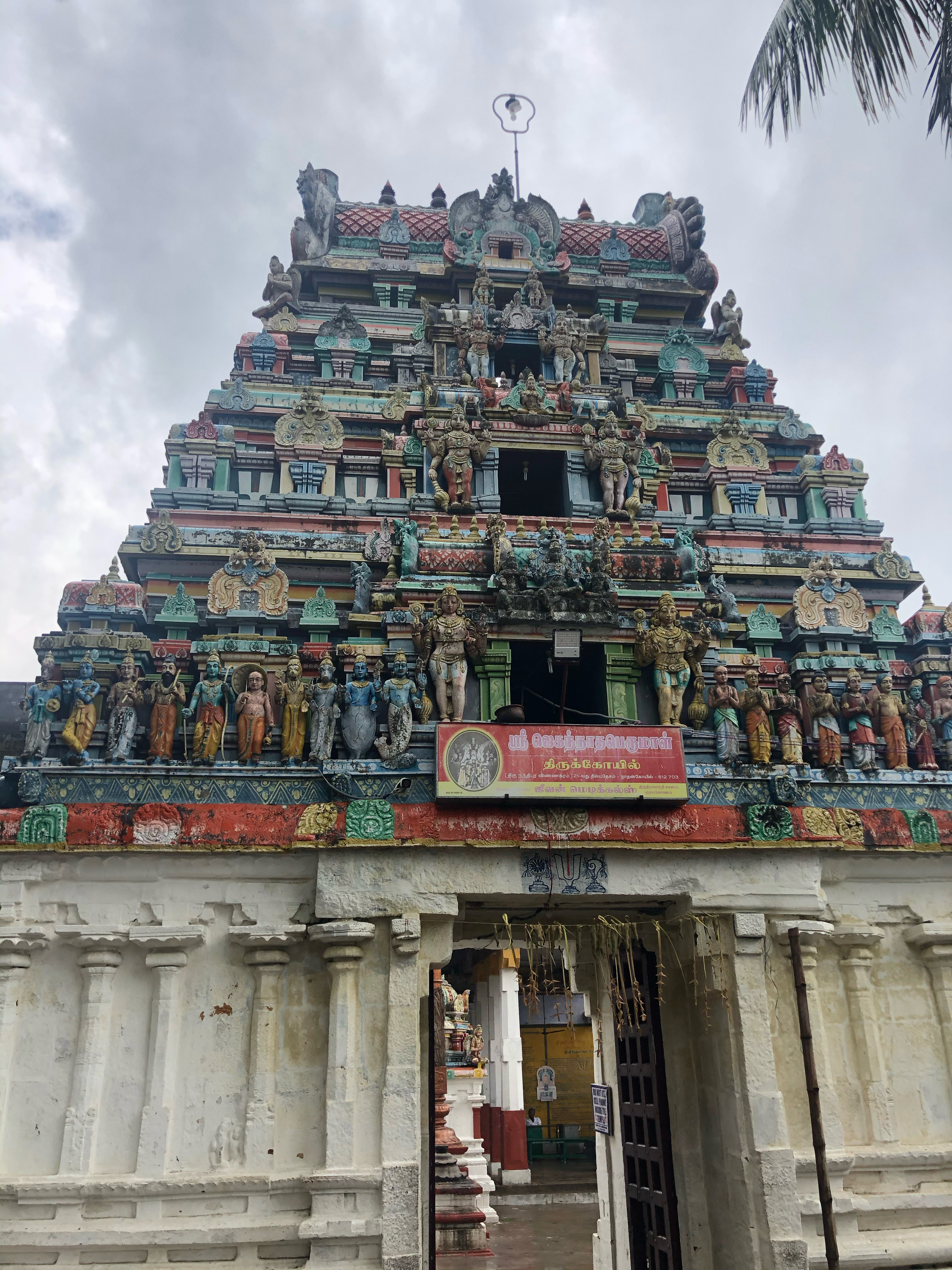
With these nine temples, my count increases to 41. The Kumbakōnam region truly is a treasure trove of Divya Desams, and I hope to return to explore the remaining temples in this area.